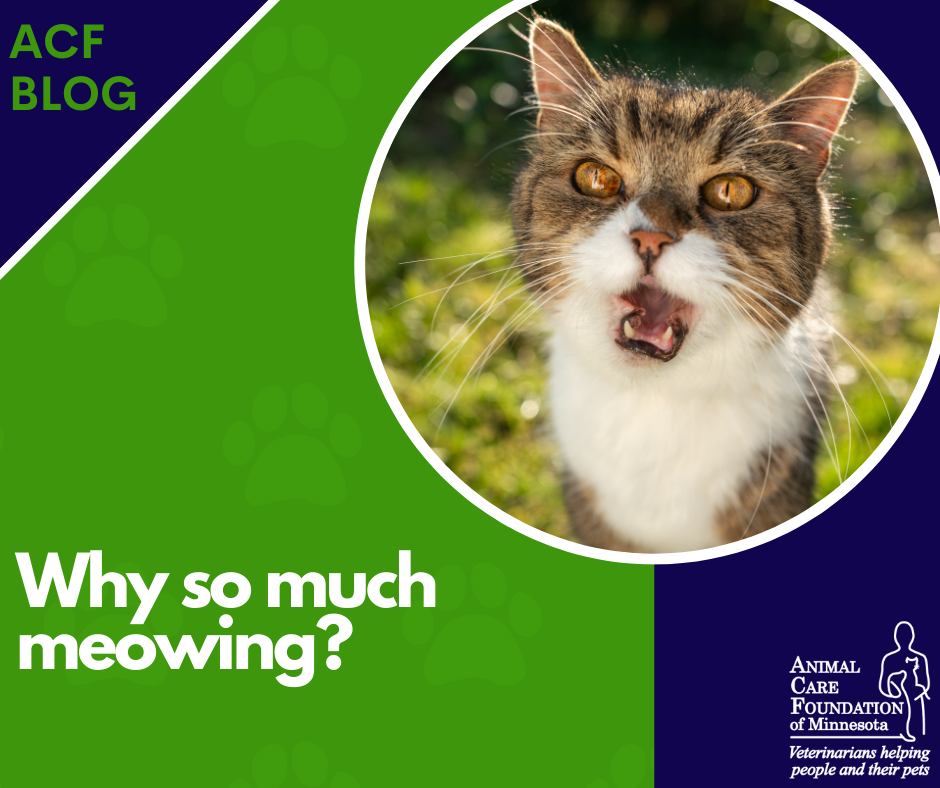
 Reader Question: My cat meows incessantly! Why won’t they be quiet? The most common reason for constant meowing is that your cat has successfully trained you to feed them when they meow! Consider having a feeding schedule that you stick strictly to, allowing your cat to learn that meowing does not equal food. This can be very trying to your patience when you first begin as it will take some time for your cat to accept the new reality! So, maybe don’t make the change during an already stressful time in your life. If your cat is meowing excessively and it isn’t linked to food, it could be a sign of something deeper going on with them. Your cat could be meowing because they are lonely. Cats have a reputation of being loners, but this isn’t true for most house cats. They depend on you for companionship and when you are not around they will miss you. This is especially likely if you got your cat during the pandemic when you were home a lot more and you have now gone back to work or school. Consider setting aside 5-10 minutes several times a day to give them your undivided attention. Depending on your cat, this might be a play session with a laser pointer, brushing, cuddling, or getting out some catnip. Depending on your cat’s temperament and age, you could consider adopting another pet as a companion. But beware, not all cats will get along with a new pet. And if it does not go well you can run into issues with marking or constant fights. A change in vocalization can also be a sign of a health problem, in which case consider bringing them into your veterinarian to get a checkup. Written by Helen North
0 Comments
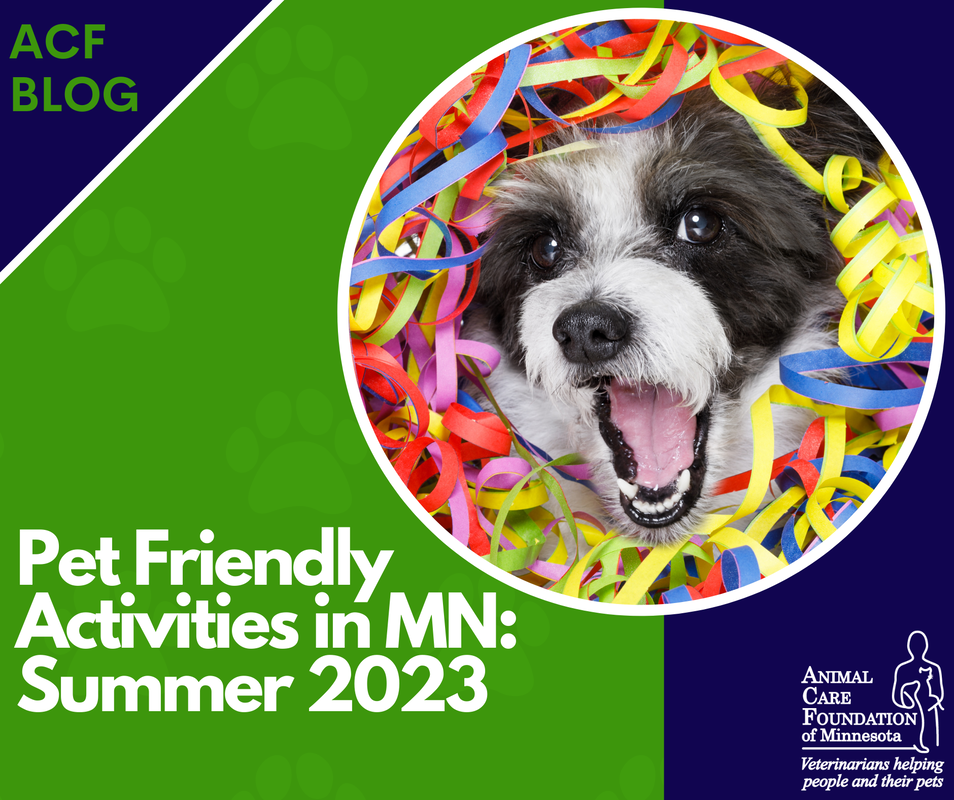 Are you looking for a few pet friendly activities to get out to this summer? Look no further and check out these pet events across Minnesota! If you have any events we should add please leave us a comment below! UPDATE: Minnesota is experiencing a canine influenza outbreak. Some events may be canceled or may require you to leave your dog at home. Please check each website before attending. Humane Society Walk for Animals When: Saturday, May 6, at 9:30 AM - 1:00 PM Where: International Bazaar on the Minnesota State Fairgrounds What: Join thousands of animal lovers and their pets to make more second chances possible for animals in need — one step at a time. Walk for Animals is back at our new home, the Minnesota State Fairgrounds, to bring you and your pets even more fun, food, and chances to make a difference. https://secure.animalhumanesociety.org/site/SPageNavigator/WalkforAnimals/WFAhome.html The Canine Carnival When: Saturday, May 20, 2023 11:00 AM Where: Wildlife Science Center, 22830 Sunrise Rd NE, Stacy, MN 55079, USA What: Join WSC as we honor the working and playing dogs of the community! Learn about dogs and their wolf relatives, meet dog related service providers, and visit with an eclectic group of vendors while enjoying a variety of impressive dog demonstrations. Hungry? PJ’s Grill will be on-site with a delicious meal selection, and Bent Brewstillery will be providing beverages. Feel free to bring your own dog but please bring a leash. EVENT ADMISSION: Adult - $15.00 Child (ages 5-17) - $10.00 Ages 4 and under are free! https://www.wildlifesciencecenter.org/upcoming-events/canine-carnival All About Dogs Day When: Saturday, June 3, 2023 9:00 AM - 1:00 PM Where: Minnesota Landscape Arboretum, 3675 Arboretum Dr Chaska, MN 55318 What: Though dogs aren’t allowed in the main gardens at the Arboretum, on this day they’re the stars of the Arboretum’s 65-acre Dog Commons, an on-leash dog trail designed by the Nature-Based Therapeutics experts at the University of Minnesota. Dog owners are invited to come together to walk the trails, heel for photos and meet other dog-lovers. A Pet Expo features 40 pet vendors while events include a scavenger hunt, contests (cutest dog, best trick, best costume, dog-owner look-alikes), doga (dog yoga), agility demos and prizes. EVENT ADMISSION Arboretum members with a dog-added membership: $5.00 Arboretum members: $15.00 Non-members: $30.00 https://www.exploreminnesota.com/event/all-about-dogs/10613 Coco's Heart 5K Doggie Day When: Saturday June 10, 2023 AT 9:45 AM Where: Colby Lake Park, 9715 Valley Creek Rd, Woodbury, MN, US, 55125 What: Launch into summer by joining us at Colby Lake Park in Woodbury. We are thrilled to be kicking off the summer season with a fun way to support your furry friends! There will be an adoptable dog area, a kid's race, scavenger hunt, and more!! Join us at our new, "old" location and start the summer off right by enjoying a new race route, new scenery, and old friends. The new race route will start and end in Colby Lake Park this year, and we are excited to have a new area for vendors and the start/finish line. We will be using the elementary school parking lot for parking only - all events will be in the Colby Lake Park parking lot. https://www.facebook.com/events/537325698488506 Mission Paw-looza When: Saturday, June 10 2023, 9:30 AM Where: Mission Animal Hospital What: The second annual Mission Paw-looza is a community event to raise money to increase access to veterinary care for pets in need. At the Paw-looza, you and your furry companion can be part of a two-mile Fun Run/Walk and enjoy the pet and family-friendly Carnival right outside Mission Animal Hospital's front doors. https://www.missionah.org/mission-paw-looza?fbclid=IwAR1h6oXuQ2jtYuovevLAjmDm2CeuV4cA-6dnvhTadKB9rabTB9SSZnYTwDo Coon Rapids - Love My Pet Event When: Saturday, September 16, 2023 10 a.m. to 1:30 p.m. Where: Riverview Park, 2420 105th Ave, Coon Rapids, MN What: This annual event features fur-tastic events such as a pet/owner costume contest, kids games and more! Event goers browse dozens of vendor booths offering pet-related products, services and resources. There's even a Sidewalk Chalk Art Contest to show off your creativity! Demonstrations, entertainment and more! Come to the pet fair with your well-behaved, leashed furry friend and have a great time meeting other pet owners! https://www.coonrapidsmn.gov/1305/Love-My-Pet-Fair Lakes and Legends adoption event When: September 17th, 2023, 2-4pm Where: Lakes and Legends Brewery 1368 Lasalle Ave, Minneapolis, Minnesota 55403 What: Once a month, Healing Hearts Rescue brings puppies into the taproom for a "pet the stress away" adoption event! From 2-4 pm you can pet, cuddle, play, and even adopt HHR puppies and foster dogs right here in our taproom. This event is completely free and open to everyone! https://www.minneapolis.org/calendar/lakes-legends-brewing-puppy-party-adoption-event-8/ Written by: Helen North
Have you been thinking about creating an outdoor catio space for your cat? A catio, an outdoor enclosed patio designed for cats, are great for your cat to hang out in and take in the outdoors. Before jumping into a big project like this, here are a few things you’ll want to consider. 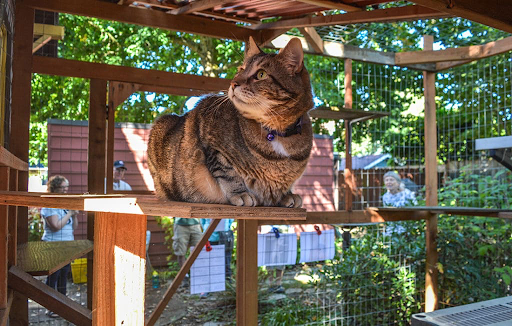 Ensuring Your Pet’s Safety
Safety first! Even if the catio you purchase or design seems to be 100% safe, you’ll always need to keep an eye on your feline friend. To make your catio a positive and safe space, we suggest you include the following features: an entry door or window, ramps, catwalks, hiding places, beds or pillows for resting, fresh drinking water, shady spaces , predator-proof screening (on the bottom as well as the sides), and a roof or covering for mild weather protection. Even in a catio, it’s crucial to never leave your pet unattended. At the end of the day, you are 100% responsible for your pet’s safety and ensuring your catio is a secure space! Benefits Although your cat may not embrace the outdoors like a dog would, there are many advantages to spending time outside. The first and potentially the most important benefit pertains to the mental stimulation and enrichment for cats. The sounds and smells of nature, along with the ledges and climbing areas help channel your cat’s inner-adventurer. Another perk includes decreased conflict in multi-cat homes. If you have two cats or more, conflict may arise; however, a catio can give each cat an opportunity to explore and thrive individually. With multiple cats, be sure to provide multiple entrances and exits so no one gets cornered or let them enjoy the catio independently. Other benefits include exercise, wildlife protection (those song birds will be safe on the other side of the screen), and protection for your cat from other wildlife (be sure the material you use can withstand a predator trying to get inside from the top, sides, and bottom). Options You can choose to purchase a ready made catio or build one from scratch. If purchasing, make sure to read all of the information provided and do a thorough comparison. More often than not, catios are on the pricier side which is why it’s important to do a thorough evaluation before making a purchase! For our creative folks, diy catios are a great option. A diy catio enables you to meticulously control design, materials, and cost! With a self build you can be creative and cator (did you see what we did there) toward the specific needs and personality of your pet! The resources below will help you get started mapping out your catio from scratch. https://www.itsoverflowing.com/diy-catio-plans/ https://catiospaces.com/catios-cat-enclosures/diy-plans/ Written by Gracie Butler 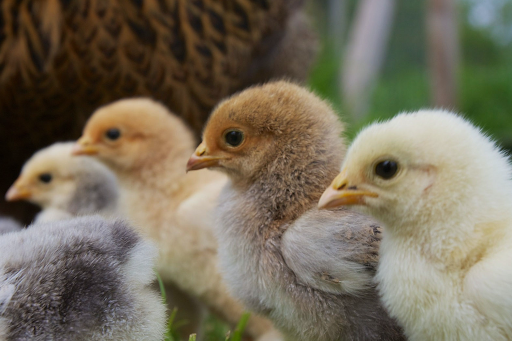 With the rise of the COVID-19 pandemic, one unlikely pet came to the spotlight, chicks. The rise of chicks as pets has provided an unexpected outlet of emotional support for Americans in need of some light in their lives. Social media began to explode with postings of people with their new baby chicks, and then the hype died down almost as quickly as it started. You may have wondered, where are the baby chicks now and what happens when they grow up?
It’s hard to dispute, baby chicks are adorable creatures, but these delightful little animals tend to become more work as they get older. Most of the adopted chicks in 2021 were abandoned, died from improper care, or were surrendered. Baby chicks require specific needs to thrive, and adult chicken ownership is regulated in most cities. Some of the adopters of these chicks did plan ahead; those lucky chicks now have a new home in a backyard chicken coop! It’s important to consider how your animal may change as they grow up and remember pets are cute, loving creatures who deserve to be treated well. Whether it’s a dog, cat, or baby chick, getting an animal is a commitment! If you are thinking about getting a baby chick this spring, here are some resources to help you decide if you’re ready for the commitment. https://www.raising-happy-chickens.com/caring-for-chickens.html https://cs-tf.com/how-to-take-care-of-chickens/ https://www.mypetchicken.com/backyard-chickens/chicken-care/chapter-2-are-chickens-right-for-you.aspx Spring and summer are finally within reach, and with the temperatures rising you may be looking for some activities to make the warm seasons cool. Here are a few ways to make the most of your Spring and Summer with your pup. Go For a Stroll, Hike, or Run Activity Intensity Rating: 3/10 - 9/10  We all know how much dogs love to embrace the outdoors! Whether it’s through a walk, hike or run, such activities are possible nearly everywhere anytime! Some great trails your dog will love in Minneapolis and St. Paul are the Minnehaha Fall Lower Glen Trail, the Mississippi Gorge Regional Park, and Winchell Trail. You can Google “hiking trails'' for a list in your area. Whether you head for a wooded trail or walk around your neighborhood, spending time outdoors is a great way to get some exercise and have quality time with your dog. Dog-friendly Dining Activity Intensity Rating: 2/10  Outdoor dining in the Spring and Summer are great, bringing your dog along with you to your favorite patio is even better! Two great options with dog-friendly patios in Minneapolis and St. Paul are Eagle Street Grill and Aster Café. If you’re looking to feed you and your dog head over to The Howe Daily Kitchen and Bar where dogs are welcome on the “pawtio” and have their own doggy menu; yappy-hour is from 3:00pm-6:00pm! Take a Swim Activity Intensity Rating: 2/10 - 5/10  Splish, splash, or take a bath! In the land of 10,000 lakes finding a body of water for your pup to splash around in is hardly a problem. Whether you’re wanting to play with your dog or just enjoy watching them, taking advantage of the water is a great way to cool off on those warmer days. Make sure you check for postings about sewage leaks, algae blooms, or other contamination that would make the water unsafe for your dog before letting them swim. Enjoy a Treat Activity Intensity Rating: 2/10 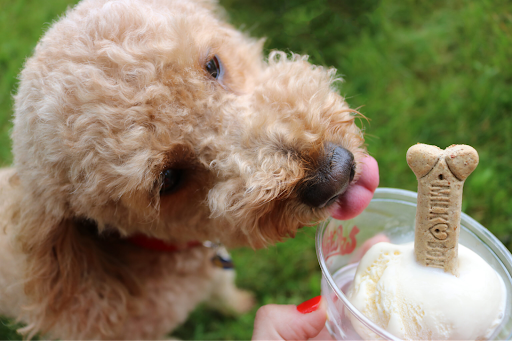 Whether it be a pup cup, lick of ice cream, or homemade dog dessert, your dog will love a sweet treat to enjoy on beautiful Spring and Summer days. Pup cups can either entail a small cup of custard or whip sold at numerous fast-food chains such as McDonald’s, Dairy Queen, and Starbucks. If you’re looking for a DIY activity, countless dog dessert recipes can be found on Pinterest. What better way to show your dog how much you love them than by treating them with sweetness! If your dog has never consumed these treats make sure to offer them in moderation. Dogs are lactose intolerant and if they eat too much of these delicious treats, their tummies may not be too happy! Offering them ice cubes or other hard frozen treats can cause cracked teeth that then need to be addressed by a veterinarian, softer options are better. Some dogs are very sensitive to dietary changes, checking with your vet before trying these treats would be a good choice. Yard and Outdoor Relaxation Activity Intensity Rating: 1/10  Sometimes the best ways to spend time with your dog are more peaceful and laid-back activities. For this activity all you really need is a cozy spot in your yard or local park! Hot days are inevitable this summer, make sure your dog takes breaks from play and has access to plenty of water and shade to avoid heat exhaustion and potentially life threatening reactions.
 Cats have a reputation as being aloof, but if you know what to look for, they are often trying to communicate with their human! Read on to find out about what your cat is trying to tell you when they verbalize! Cats do not meow at other cats unless they are kittens and want their mother, so when your cat meows at you, you know that you are special! But what are they trying to say?  They’re saying hello. They could be greeting you when you get home or come out of a room to say hi. Usually, this meow is not super loud or high pitched, they sound excited to see you. They want to be fed. Often, a cat that is meowing constantly thinks it is time for some food! They can be incredibly insistent at mealtimes or whenever someone is near their food. These meows are often repetitive and can be longer in duration. They want your attention. Cats will meow at their owners to get their attention and affection. Just like humans, some cats crave touch, play, or other forms of attention. This meow is often repetitive until you give in! It can be a shorter meow versus a drawn out one.
They are an elderly cat. Just like humans as cats get older and can have some diminished cognitive function, they can become lost or confused more easily. In this case, your cat is probably looking for you or a comfy place to nap but can’t find it. This meow is often loud and frightened sounding. They are looking for a mate. If your cat is not neutered or spayed, they are more likely to produce a loud drawn-out howl to attract a mate, usually it’s the females calling for males. The best solution for this is to get your cat spayed or neutered. Chirping: Have you ever heard you cat make a chirping or trilling sound? Cats make these sounds when they are happy and to tell each other to follow them! If you cat is making this sound as they look out the window at a bird, they are having fun watching it. If they make the sound at you, they often are trying to get you to come to them or follow them.
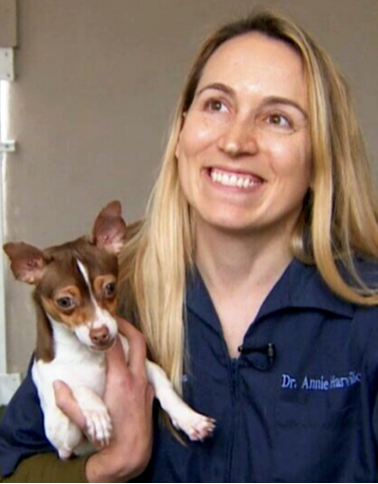
Hissing: Hissing is a cat’s way of showing they are scared or angry. They often hiss at other cats or animals if they feel threatened. If your cat is hissing unprovoked it could be a sign that they are in pain and need to be taken to the vet especially if the behavior is new. Written by: Helen North 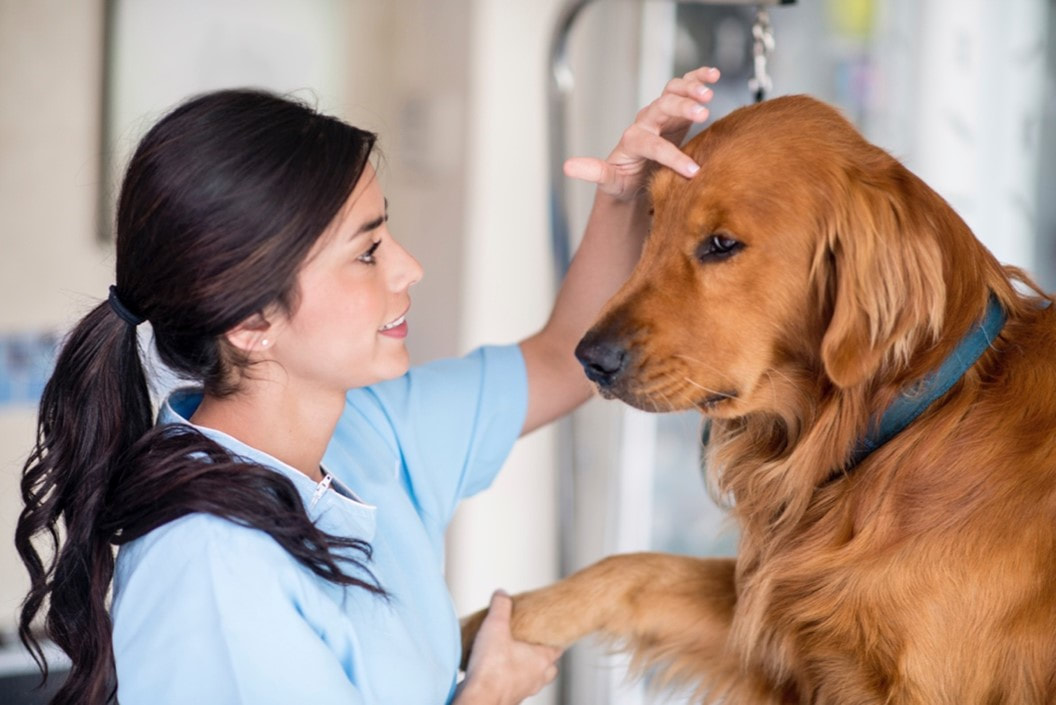 According to Zippia and the database of 30 million profiles they researched and analyzed, there are over 49,434 veterinarians currently employed in the United States and 62.9% of them are women. Today, ACF would like to acknowledge a few of those women who have been especially influential and have paved their way in the industry. Dr. Annie Harviclicz
Dr. Annie Harviclicz, who graduated from the Virginia Tech School of Veterinary Medicine, is the Chief Medical Officer of the Animal Wellness Centers in LA. This foundation works to ensure that when the “last resort” of a low-income family or kill-shelter seems likely, they are not forced into euthanizing an animal. Instead, they can call the Animal Wellness Center and they have another option. Dr. Harviclicz made it the mission of the foundation to find “forever homes” for these pets across the U.S. They have since saved hundreds of pets from the LA area. She has received multiple awards for her work such as the Sherrie Clark Compassion and Caring Award and the Tobey Award which recognizes her for aiding deserted, lost, or homeless dogs. Annie has also been a part of the national leadership council of the Humane Society Veterinary Medical Association. Dr. Justine Lee
Dr. Justine Lee, DVM, DACVECC, who graduated from Cornell University, is a board-certified veterinary specialist in both emergency critical care (DACVECC) and toxicology (DABT). Her passion for all-things animal and veterinary medicine shines through not only this, but also through her business VETgirl. She is the Director of Medicine and founder of this subscription-based online veterinary continuing education service for veterinary professionals. Dr. Lee is a well-known speaker, scientist, blogger, and author throughout the emergency, critical care, and toxicology veterinary world. She was the co-host analyst on Nat Geo Wild’s Animal ER LIVE. Dr. Lee has written two books geared towards the average pet owner to help them learn about how to keep their animals safe, with a good dose of humor thrown in. Her impact on the veterinary world and the lives of countless pet owners is clear. Dr. Jane Hinton  Dr. Jane Hinton, who graduated from the University of Pennsylvania in 1948, became one of the first two African American women to earn a degree of Doctor of Veterinary Medicine. After graduating, she worked as a small animal veterinarian until 1955, and later that year, joined the Department of Agriculture as a federal government inspector who researched and responded to outbreaks of disease in livestock. Prior to earning her Doctorate in Veterinary Medicine, Dr. Hinton was a pioneer in the study of bacterial antibiotic resistance. When she worked at her father’s laboratory at Harvard as an assistant to John Howard Mueller, she co-developed the Mueller-Hinton agar, a medium that isolates Neisseria, which is the bacteria that causes gonorrhea and meningococcal meningitis. Dr. Hinton passed away in 2003, but leaves behind an inspiring legacy of scholarship and perseverance.
Written by Olivia Gullickson References: https://todaysveterinarybusiness.com/extraordinary-female-veterinarians/ https://todaysveterinarypractice.com/news/the-history-of-women-in-veterinary-medicine-in-the-u-s/ https://be.chewy.com/meet-the-badass-women-whove-redefined-veterinary-medicine/ https://easy-anatomy.com/famous-female-veterinarians/ https://www.zippia.com/veterinarian-jobs/demographics/ https://www.animalwellnesscenters.com/dr-annie-harvilicz https://drjustinelee.com/about/ https://vetgirlontherun.com/team/dr-justine-lee/ https://rmamp.colostate.edu/people-of-color-in-stem-jane-hinton/  Bogey was in need of his annual wellness exam and his vaccines. His human had already spent a significant amount on a surgery he needed and could not afford this additional care. Thankfully, because of the generosity of our member clinics and donors, Bogey received the care he needed and is home playing like a good dog.
The importance of wellness care, vaccines, and screenings cannot be overstated. By doing these exams and tests before there is a noticeable issue, health problems can be discovered before they become life threatening and steps can be taken to mitigate the chance of catastrophic issues. Not only does this care avoid unnecessary pain and suffering for the pet, but it often proves cheaper to address the medical issues before they become bigger! This allows ACF to use those saved funds to help even more animals. Live In-Person and Virtual CE Opportunities
Thursday, March 2nd, 2023 "Clinical Applications of C-Reactive Protein in Dogs" 1 CE (Virtual) Anna Hillström, DVM, DECVCP, PhD Heska Free Sunday, March 5th, 2023 "Veterinary Clinical Insights" 4 CEs (Virtual) Cynthia R. Ward, VMD, PhD, DACVIM (SAIM) Carol Reinero, DVM, PhD, DACVIM (SAIM) Andrew Rosenberg, DVM, DACVD Denis Marcellin-Little, MS, DVM, DACVS Elanco Free Sunday, March 5th, 2023 "Heatstroke in Dogs: A Life-Threatening Emergency" 1 CE (Virtual) Erik Zager, DVM, DACVECC VetGirl Sponsored Webinar Free (To register simply sign up for a trial membership.) Thursday, March 9, 2023 "Handling Medical Board Complaints and Malpractice Lawsuits" 1 CE (Virtual) Charlotte Lacroix, DVM Pet Poison Helpline Free Thursday, March 9th, 2023 "Thinking About Supplements for the Canine Behavior Patient" 1 CE (Virtual) Donna M Raditic, DVM, CVA, DACIVM (Nutrition) DVM360 Free Thursday, March 9th, 2023 "Nutritional Management of Canine & Feline Obesity" 1 CE (Virtual) Martha Cline, DVM, DACVIM (Nutrition) VetGirl Sponsored Webinar Free (To register simply sign up for a trial membership.) Tuesday, March 14th, 2023 "Breed Specific Issues in Popular Dogs: Brachycephalics and More!" 1 CE (Virtual) Matt Eberts, DVM, Regional Consulting Veterinarian, Elanco MVMA Lunch and Learn Free to MVMA Members, $45 for Non-Member Veterinarians, $20 for Technicians and other non-member professionals Tuesday, March 14th, 2023 "Microbiology: A New Culture" 1 CE (Virtual) Shelly Rankin, PhD DVM360 Free Wednesday, March 15th, 2023 "Pain Management in the ECC Patient" 1 CE (Virtual) Anita Parkin, RVN, AVN, Dip (Surgery & ECC), VTS (Anesthesia & Analgesia), CVPP, TAE MILA Education Center Free Thursday, March 16th, 2023 "Senior Care Guidelines in Action" 1 CE (Virtual) Ravinder S Dhaliwal, DVM, MS, DACVIM (Oncology, DABVP (Canine and Feline) AAHA Free Thursday, March 16th, 2023 "Aging in the Dog: Foundations of Canine Geriatric Medicine" 1 CE (Virtual) Brennen McKenzie, VMD, MSc VetGirl Sponsored Webinar Free (To register simply sign up for a trial membership.) Wednesday, March 29th, 2023 "Urinary Catheters Made Easy" 1 CE (Virtual) Amy Newfield, CVT, VTS (ECC) MILA Education Center Free Sunday, April 2nd, 2023 "Treatment of Acute Pancreatitis in Dogs - Are We Ready for a Paradigm Shift?" 1 CE (Virtual) Joerg Steiner, PhD, DACVIM, DECVIM-CA, AGAF VetGirl Sponsored Webinar Free (To register simply sign up for a trial membership.) Wednesday, April 5th, 2023 "The Sweetness That Could Kill You: DKA" 1 CE (Virtual) Karen Roach, RVT, VTS (ECC) MILA Education Center Free Tuesday, April 11th, 2023 "Beyond Bland: Nutritional Management of Gastroenteritis and Pancreatitis!" 1 CE (Virtual) Stephanie Warren, DVM, Scientific Services Veterinarian, Royal Canin MVMA Lunch and Learn Free to MVMA Members, $45 for Non-Member Veterinarians, $20 for Technicians and other non-member professionals Thursday, April 20th, 2023 "Getting Through Your Day: Interpretation Tips for Radiology of the Thorax and GI Tract" 6 CEs (In-person and On-line) Kari Anderson, DVM, DACVR, Professor, Medical Imaging, Veterinary Clinical Sciences Department, College of Veterinary Medicine, University of Minnesota MVMA Spring Seminar $195-$220 for MVMA Members, $245-$270 for Non-Member Veterinarians, $125-$150 for Technicians and Other Staff Tuesday, April 25, 2023 "Summertime Toxins" 1 CE (Virtual) Ashley Smit, DVM, DABT Pet Poison Helpline Free On-Demand Virtual CE Opportunities "A Day for the Cats: Trends in the Diagnosis and Treatment of your Feline Patients" 7.5 RACE approved CE credits Presented by the Animal Care Foundation Registration Veterinarian-$200.25* Technician and Other Staff-$110.25* Student-$50.25 *10% discount available for active Animal Care Foundation Member Clinics. Send us and email for the code. "Gastroenterology for the Small Animal Private Practitioner and Technician" 5.5 RACE approved CE credits Presented by the Animal Care Foundation Program Must be Completed by June 1st! Registration Veterinarian-$145.25* Technician and Other Staff-$80.25* Student-$35.25 *10% discount available for active Animal Care Foundation Member Clinics. Send us and email for the code. ACF is proudly celebrating Black History Month through the stories of empowering pioneers in the field. We’ve chosen to highlight three highly accredited black veterinarians and their extraordinary contributions to society. Continue reading to learn about these figures and how they shaped the future of veterinary medicine.  Dr. Alfreda Johson Webb Dr. Alfreda Johson Webb. Dr. Webb received her Doctorate of Veterinary Medicine in 1949 from Tuskegee’s School of Veterinary Medicine. She was the first woman to receive her DVM from Tuskegee as well as one of the first black women to earn a DVM in the United States (along with Dr. Jane Hinton)! The two were also the first Black members of the Women’s Veterinary Medical Association, paving the way for the inclusion of many more black female veterinarians. Dr. Webb went on to become a professor at Tuskegee and later North Carolina State University, where she inspired many students. She was on the planning board for the new veterinary school at North Carolina State University that opened in 1981. Dr. Webb empowered and inspired black women to enter the field of veterinary medicine and she remains an inspiration to many to this day. 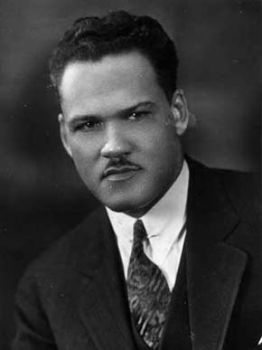 Dr. Frederick Douglass Patterson The American activist and educator Fredrick Douglas Patterson had a career with numerous trajectories, however his career roots stem back to veterinary medicine. In 1923, Dr. Patterson was the first black man to earn a Doctorate of Veterinary Medicine from Iowa State University. After a number of successful years as a veterinarian, the young academic went back for more school, earning a plethora of degrees from various institutions. Dr. Patterson’s greatest contributions pertain to the establishment of the United Negro College Fund and founding of the Tuskegee Institute (now University). Dr. Patterson was appointed president of the Tuskegee Institute in 1934; his leadership inspired black students to take charge in any and every field possible. He was a champion for human rights, equality and opportunity for all. A year before his death in 1987, Dr. Patterson was awarded the nation’s highest civilian honor, the Presidential Medal of Freedom. His vision and courage continue to inspire others today.  Dr. Lila Miller
 graduated from Cornell University College of Veterinary Medicine in 1977. She has been extremely open about the racism she experienced as a student while enrolled there and the pressures put on her as one of the first two black women admitted to their under-graduate pre-vet program. Upon her graduation she decided to work in an animal shelter, something that at the time was unprecedented. Working with her mentor, Dr. Miller began to make incremental changes to improve the lives of the abandoned and forgot pets she was working with. As a result of these changes and the processes they developed, she had a dramatic impact on the reimagining of how shelters operate and the creation of a new specialty within veterinary medicine, shelter medicine. She taught the first course in shelter medicine at Cornell in 1999. Going back to the school that treated her so poorly was a challenge but one Dr. Miller chose to take on because of the potential good it might bring about. And she was right, soon after she taught the first course, other schools began to include shelter medicine in their curriculums. Dr. Miller continues to be a role model for many both because of her ability to overcome adversity and her work to improve animal welfare. Written by: Gracie Butler and Heather Mains |
Animal Care FoundationProviding elderly and disabled community members access to veterinary care for their beloved pet. Archives
April 2024
Categories
All
|

 RSS Feed
The Animal Care Foundation is a 501.c.3 nonprofit.
Updated: 8/19/2022
Proudly powered by Weebly
Background photo created by montypeter - www.freepik.com
Updated: 8/19/2022
Proudly powered by Weebly
Background photo created by montypeter - www.freepik.com