|
When the weather takes a turn for the worse, it's not only humans who feel the impact—our furry friends do too. Rain, snow, or extreme temperatures can make outdoor activities challenging for pets, leaving them restless and bored indoors. However, with a bit of creativity and some thoughtful planning, you can turn those gloomy days into opportunities for quality time with your four-legged companions. Here are some paw-some ideas to keep your pet entertained indoors during bad weather.  1. Interactive Toys: Invest in interactive toys that engage your pet's mind and body. Puzzle feeders, treat-dispensing toys, and squeaky plushies can provide hours of entertainment. These toys not only stimulate your pet mentally but also keep them physically active, preventing boredom-related behaviors. 2. Indoor Fetch: Just because you can't go outside doesn't mean you can't play fetch. Choose a soft, lightweight ball or toy and play fetch in a pet-friendly area indoors. Be mindful of fragile items and clear a safe space to avoid any accidental collisions.  3. Hide and Seek: This classic game isn't just for kids—pets love it too! Hide your pet's favorite toys or treats around the house and encourage them to find them. This game taps into their natural instincts and keeps them entertained while offering mental stimulation. If you start with a more smelly treat and in a limited space they will catch on more quickly. 4. Tug-of-War: A simple game of tug-of-war can be an excellent way to keep your pet active and engaged. Use a sturdy rope toy and make sure to play in an area where there's enough space. Always be mindful of your pet's size and strength to ensure a safe and enjoyable experience and don’t pull too hard or it can impact their teeth over time (think about how braces work but the tug of war can have a negative impact).  5. Enrichment Feeding: Turn mealtime into a mentally stimulating activity by using puzzle feeders or hiding small portions of food around the house. This not only makes your pet work for their food but also adds an element of excitement to their daily routine. You don’t need to go out and buy expensive items. An old cereal box with holes punched in it works just as well! 6. Teach New Tricks: Bad weather days provide an excellent opportunity to work on training and teaching your pet new tricks. Use positive reinforcement, treats, and praise to make the learning process enjoyable for your furry friend.  When Mother Nature decides to keep you indoors, don't let it rain on your pet's parade. With a bit of creativity and some thoughtful planning, you can turn bad weather days into memorable indoor adventures for you and your beloved companions. By engaging your pet's mind and body, you'll not only keep them entertained but also strengthen the bond you share. So, whether it's pouring rain or snowing outside, you and your pet can weather the storm together, creating lasting memories along the way.
0 Comments
For families with children, finding the perfect dog breed is a crucial decision. The ideal family dog should be not only friendly and affectionate but also patient and adaptable. While there are many wonderful dog breeds out there, some stand out as exceptional choices for families with kids. Remember, that an individual dogs personality and temperament are the most important aspects to consider when adopting a family dog. Dogs of any breed can demonstrate these traits, and dogs of any breed can also be aggressive. Make sure your entire family meets any dog you are planning to bring into your home before making a commitment so you can assess how the specific individual dog fits your family. In this blog, we'll explore 5 dog breeds that have been bred for friendly, responsive, and patient temperaments and are thus often well-suited to family life.  1. Labrador Retriever Labrador Retrievers consistently top the list of family-friendly dog breeds, and for a good reason. They are known for their gentle temperament, intelligence, and enthusiasm. Labs are excellent with children, and their boundless energy makes them great playmates. They are easy to train and eager to please, making them a fantastic choice for families seeking a loving and loyal companion for their kids.  2. Golden Retriever Golden Retrievers are often called the "ultimate family dog." Their friendly nature and patience with children are well-known. These dogs are highly adaptable and thrive in various family settings. They're not only affectionate but also intelligent, which makes training them a breeze. Golden Retrievers love to be a part of family activities and are known for their unwavering loyalty.  3. Beagle Beagles are small to medium-sized dogs with a big heart. They are known for their friendly, curious, and merry personalities, making them a great addition to any family. Beagles have a lot of energy and enjoy playing with kids. They are relatively low-maintenance in terms of grooming and adapt well to different living situations, including apartments. Beagles are known for their loyalty and will quickly become a beloved part of your family.   4. Bulldog Bulldogs may look a bit intimidating, but they are actually one of the most gentle and affectionate dog breeds. They are known for their patience and love for children. Bulldogs are low-energy dogs, so they won't require as much exercise as some other breeds. This makes them a good choice for families who may not have a lot of outdoor space. Their wrinkled faces and endearing personalities will quickly win the hearts of both kids and adults.  5. Collie Collies, often associated with the famous Lassie, are highly intelligent and loyal dogs. They have a strong herding instinct, which means they will be protective of their "herd" (your family). Collies are excellent with children and make for great playmates and guardians. They are also highly trainable and enjoy learning new tricks and commands. Their loving and devoted nature makes them an excellent choice for families with kids.  When choosing a dog for your family, it's essential to consider factors like size, energy level, temperament, and grooming needs. The top 5 dog breeds mentioned in this blog are known for their suitability in family environments, particularly those with children. Remember that individual dogs can have unique personalities, so it's essential to spend time with a dog before bringing them into your home to ensure a good fit. Whether you choose a breed from this list or not, a well-trained and socialized dog can become a cherished member of your family, providing love, companionship, and a lifetime of wonderful memories. Written By: Ashley Neutgens  A peaceful night's sleep is something we all cherish, but if your dog has a habit of barking during the night, it can quickly become a frustrating and sleep-depriving experience. While dogs bark for various reasons, understanding the cause of their nighttime vocalizations is the first step toward resolving the issue. In this blog, we will explore effective strategies to help you get your dog to stop barking at night and ensure both you and your furry friend have restful nights.  1. Identify the Cause of Nighttime Barking The first and most crucial step in addressing this issue is to understand why your dog is barking. Dogs can bark at night for several reasons, including fear, boredom, anxiety, or the need to go outside. Carefully observe your dog's behavior to pinpoint the root cause. 2. Establish a Bedtime Routine Dogs thrive on routines, and having a consistent bedtime routine can help signal to your dog that it's time for rest. This routine should include regular feeding times, potty breaks, and playtime leading up to bedtime. Be sure to provide your dog with a comfortable, quiet sleeping area.  3. Exercise and Mental Stimulation A tired dog is less likely to bark at night. Ensure your dog gets plenty of exercise during the day. Long walks, playtime, and mental stimulation through puzzles and toys can help tire them out, making it easier for them to settle down at night. 4. Potty Break Before Bed Ensure your dog has the opportunity to relieve themselves before bedtime. A full bladder may be a common reason for barking in the middle of the night. Take your dog outside for a bathroom break right before bedtime.  5. Positive Reinforcement and Training Use positive reinforcement to reward your dog for quiet behavior. When your dog remains silent during the night, offer treats, praise, or affection. Remember not to reward barking with attention, as this can reinforce the behavior. 6. White Noise and Calming Music Playing white noise or calming music in the background can help drown out noises that might trigger barking. This can create a peaceful and soothing environment that encourages your dog to relax.  Getting your dog to stop barking at night requires patience, understanding, and consistent training. Identifying the cause of the barking and addressing it through positive reinforcement, training, and a comforting bedtime routine can make a significant difference. Remember that each dog is unique, and it may take time to see improvements. With time and effort, you and your dog can enjoy peaceful and restful nights together. Written by: Ashley Neutgens
 Potty training your dog can feel like a daunting task, but with the right approach, patience, and consistency, you can successfully teach your furry friend to do their business in the right place. Here’s a step-by-step guide to help you through the process. 1. Understanding Your Dog’s Needs
 4. Positive Reinforcement
 7. Nighttime Potty Training
 10. When to Seek Help
For more information visit Dog Training and Behavior - Animal Care Foundation of Minnesota https://www.animalcarefoundation.org/dogtraining.html Written by: Ashley Neutgens  So you're thinking about fostering?...Let me tell you a little bit about my families experience with our foster dog. Fostering a dog is one of those things that sounds simple in theory. You open your home, provide food and love for a little while, and then help them move on to their forever family. For us, that journey started when we brought home a two-year-old rescue from Coco’s Heart Dog Rescue. We told ourselves it was temporary. Just a safe stop along the way. The first night felt different. Vader didn’t know us. We didn’t know him. Every little noise made him look up. He walked through the house carefully, like he wasn’t sure if he was allowed to be there. We were nervous too, especially about introducing him to our family dog. The first few interactions were slow and cautious, but eventually something shifted. They started chasing each other in the yard, wrestling gently, and resting side by side like they had known each other forever. Watching that unfold felt like a small miracle.  It took a few days for Vader’s personality to really come out. At first, he was quiet and unsure. But once he realized he was safe, his happy tail barely stopped wagging. He followed us from room to room and leaned into every bit of attention. There’s something incredibly special about watching a dog relax into trust. You can see it in their eyes when they finally believe they’re home, even if it’s “temporary.” Of course, it wasn’t all perfect. There was the afternoon he spotted a squirrel and took off through the neighborhood, reminding us that we were still learning about each other. There were small adjustments and moments of patience. Those bumps made the experience feel real and meaningful.  We originally planned to help him find his forever home. But somewhere along the way, probably around week two, we realized something had changed. He wasn’t just staying with us anymore. He was a member of our family. Fostering this dog didn’t just help him. It changed our family too. It reminded us how powerful stability, patience, and a little extra love can be. And sometimes, what starts as something temporary ends up becoming exactly where you’re meant to be.  This experience for me and my family was truly rewarding. I hope you feel inspired to support a foster as we did, and I hope you are fortunate enough to make a connection with an animal as amazing as we did.
------------------------------------------------------------------------------------------------------- For Assistance with more challenging foster animals: Tips to Set up Fosters for Success with Challenging Dogs Links to more great rescue organization: The Bond Between and Midwest Animal Rescue By Ethan Bernier As winter approaches, it's not just humans who need to bundle up and stay warm. Our furry friends, too, require special attention during the colder months. Just like us, pets can feel the chill, and it's our responsibility to ensure they remain comfortable and safe. One way to achieve this is by investing in winter boots and jackets for your pets. In this blog, we'll explore why these accessories are essential and offer some tips on how to choose the right ones for your furry companions.  Why Winter Boots and Jackets Matter Before diving into the details of choosing the perfect winter boots and jackets for your pets, let's understand why these items are crucial for their well-being: 1. Protection from Cold and Wet Surfaces: Winter boots provide insulation and keep your pet's paws warm and dry. They protect against cold, wet, and potentially harmful surfaces like ice, snow, and road salt, which can cause frostbite or chemical burns. 2. Enhanced Visibility and Safety: Winter jackets often come in bright colors with reflective strips, making your pet more visible during those early morning or evening walks when it gets dark so early. This added visibility reduces the risk of accidents and helps keeps them (and you) safe.  3. Maintaining Body Heat: Just like humans, pets can suffer from hypothermia if exposed to extreme cold for prolonged periods. A well-fitted winter jacket helps retain their body heat, ensuring they stay warm even in the chilliest weather. The need for a jacket varies based on the breed of your pet. In general, dogs with shorter hair are more likely to need a jacket and longer haired breeds tend to have more natural insulation. (Putting a jacket on a Husky would actually decrease their ability to stay warm as the furs loft would be compressed.) When in doubt, do a quick bit of research to see if your dog needs a jacket. 4. Allowing for Exercise in Cold Weather By providing your pet with boots and a winter jacket you can continue to exercise even when the temperatures drop. Somedays, the weather will be too cold for a walk even with the jacket and booties though. On those days, if you are able, you can take them to an indoor play area, or to a pet friendly store (most hardware stores allow you to bring your dog) for a walk. You can also play fetch inside.  Choosing the Right Winter Boots When selecting winter boots for your pets, keep these tips in mind: 1. Measure Accurately: Measure your pet's paw size to ensure a proper fit. Boots that are too tight can cause discomfort or slow circulation causing them to be even colder, while loose ones may fall off easily. 2. Material Matters: Look for boots made from durable, waterproof materials that offer insulation. Rubber soles with good traction are essential for preventing slips on icy surfaces.  3. Velcro or Zipper Closures: Choose boots with secure closures like Velcro or zippers for easy on and off. Make sure they stay in place during walks. 4. Get Your Pet Used to Wearing Them Many pets do not like boots when they first wear them and will try to shake them off. Go for a walk quickly after putting them on so they associate them with a positive experience. It might also help to start with more frequent walks until they are used to wearing them.  Selecting the Perfect Winter Jacket When shopping for a winter jacket, consider these factors: 1. Size and Fit: Ensure the jacket fits snugly but not too tight. Measure your pet's chest and length to find the right size. Most jackets come with adjustable straps for a customized fit. 2. Insulation: Look for jackets with proper insulation, such as fleece or synthetic materials, to keep your pet warm. Ensure it covers their neck, chest, and back. 3. Easy to Put On: Choose a jacket with a straightforward design that is easy to put on and take off. This is especially important if your pet is not a fan of getting dressed. 4. Reflective Features: Opt for jackets with reflective strips or patterns to enhance visibility during low-light conditions. 5. Hoods Many pets are not fans of hoods, so if this is our first jacket, skip the hood.  Keep in mind: In addition to winter boots and jackets, pet clothing can encompass a variety of cozy and functional options to keep your canine companion comfortable during the cold season. Consider items like sweaters, hoodies, and turtlenecks, which provide additional warmth and insulation for smaller or short-haired breeds. For extreme cold or wet conditions, waterproof or fleece-lined dog ponchos or raincoats are excellent choices to protect your pet from the elements. Snuggly pajamas or onesies are not only adorable but also great for indoor comfort, especially during those chilly nights. These clothing options not only serve a practical purpose but also allow you to express your pet's unique personality and style in the winter months. Use caution if you leave your pet dressed when you are not around, you don’t want them to get snagged on something and be stuck in an uncomfortable or unsafe position without you there to help them. Conclusion:
Winter boots and jackets are a great tool for keeping your pets comfortable and safe during the chilly months. When choosing these accessories, prioritize comfort, fit, and durability. Remember that some pets may need time to adjust to wearing winter gear, so be patient and introduce them gradually. By taking these steps, you can ensure that your furry friends stay warm, cozy, and stylish throughout the winter season. Written By: Ashley Neutgens Spring and summer are finally within reach, and with the temperatures rising you may be looking for some activities to make the warm seasons cool. Here are a few ways to make the most of your Spring and Summer with your pup. Go For a Stroll, Hike, or Run Activity Intensity Rating: 3/10 - 9/10 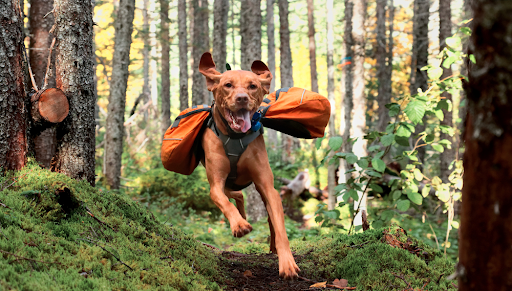 We all know how much dogs love to embrace the outdoors! Whether it’s through a walk, hike or run, such activities are possible nearly everywhere anytime! Some great trails your dog will love in Minneapolis and St. Paul are the Minnehaha Fall Lower Glen Trail, the Mississippi Gorge Regional Park, and Winchell Trail. You can Google “hiking trails'' for a list in your area. Whether you head for a wooded trail or walk around your neighborhood, spending time outdoors is a great way to get some exercise and have quality time with your dog.
Dog-friendly Dining Activity Intensity Rating: 2/10 Outdoor dining in the Spring and Summer are great, bringing your dog along with you to your favorite patio is even better! Two great options with dog-friendly patios in Minneapolis and St. Paul are Eagle Street Grill and Aster Café. If you’re looking to feed you and your dog head over to The Howe Daily Kitchen and Bar where dogs are welcome on the “pawtio” and have their own doggy menu; yappy-hour is from 2:00pm-5:00pm! 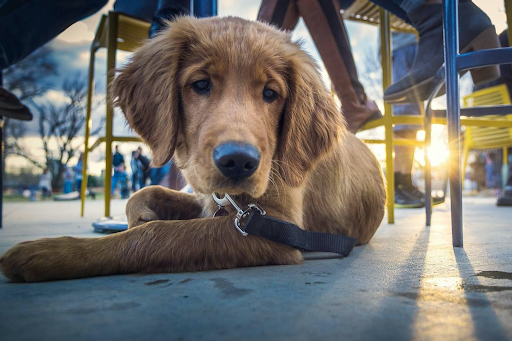
Take a Swim Activity Intensity Rating: 2/10 - 5/10 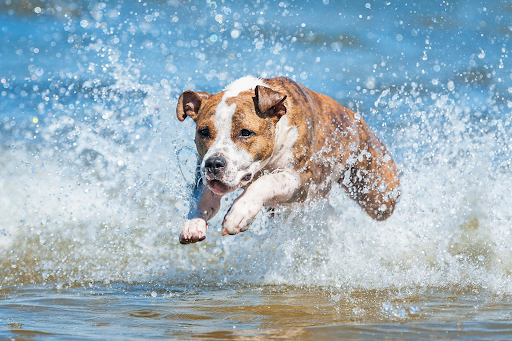 Splish, splash, or take a bath! In the land of 10,000 lakes finding a body of water for your pup to splash around in is hardly a problem. Whether you’re wanting to play with your dog or just enjoy watching them, taking advantage of the water is a great way to cool off on those warmer days. Make sure you check for postings about sewage leaks, algae blooms, or other contamination that would make the water unsafe for your dog before letting them swim. Enjoy a Treat Activity Intensity Rating: 2/10 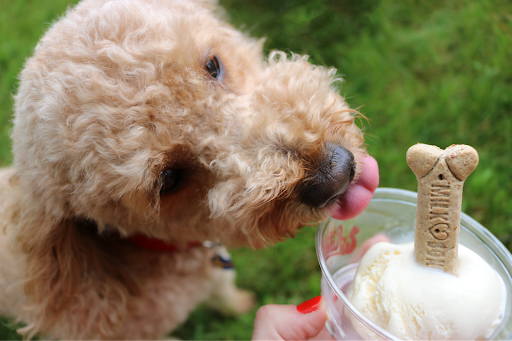 Whether it be a pup cup, lick of ice cream, or homemade dog dessert, your dog will love a sweet treat to enjoy on beautiful Spring and Summer days. Pup cups can either entail a small cup of custard or whip sold at numerous fast-food chains such as McDonald’s, Dairy Queen, and Starbucks. If you’re looking for a DIY activity, countless dog dessert recipes can be found on Pinterest. What better way to show your dog how much you love them than by treating them with sweetness! If your dog has never consumed these treats make sure to offer them in moderation. Dogs are lactose intolerant and if they eat too much of these delicious treats, their tummies may not be too happy! Offering them ice cubes or other hard frozen treats can cause cracked teeth that then need to be addressed by a veterinarian, softer options are better. Some dogs are very sensitive to dietary changes, checking with your vet before trying these treats would be a good choice. Yard and Outdoor Relaxation Activity Intensity Rating: 1/10 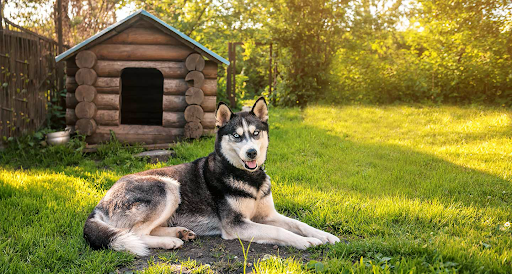 Sometimes the best ways to spend time with your dog are more peaceful and laid-back activities. For this activity all you really need is a cozy spot in your yard or local park! Hot days are inevitable this summer, make sure your dog takes breaks from play and has access to plenty of water and shade to avoid heat exhaustion and potentially life threatening reactions. Written By: Grace Butler 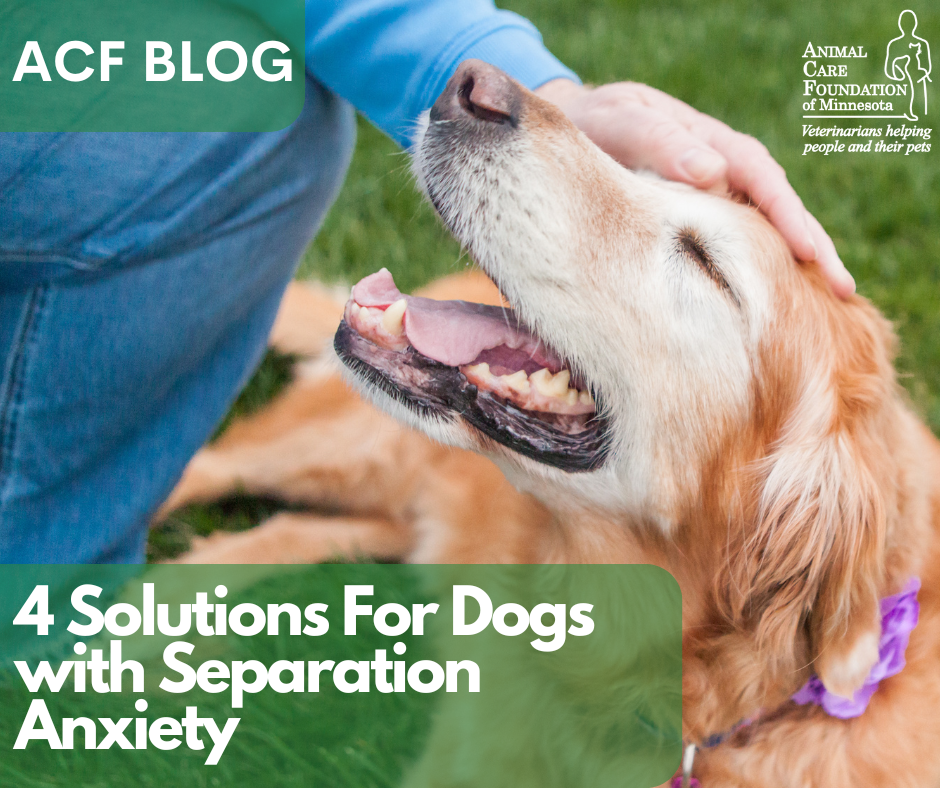 Introduction Separation anxiety is a common issue among dogs, and it can be distressing for both pets and their owners. Dogs with separation anxiety often display destructive behavior, excessive barking, and other signs of distress when left alone. Luckily, many effective solutions can help support dogs coping with separation anxiety. In this blog, we'll explore four solutions that can make a significant difference in your dog's life.
1. Gradual Desensitization Gradual desensitization is a widely recognized and effective technique for reducing separation anxiety in dogs. The idea is to slowly acclimate your dog to being alone by progressively increasing the duration of time they spend by themselves. Here's a step-by-step approach: - Start with short periods of separation, just a few minutes, and gradually extend the time. - Create a predictable routine for your dog to help them understand when you will leave and return. - Reward your dog with treats, toys, or positive reinforcement when they exhibit calm behavior during your absences. - Over time, your dog will learn that your departures are not permanent and that you will always return. 2. Comfort Items and Crate Training Providing your dog with comfort items, such as their favorite toys or a cozy blanket, can help ease their anxiety. Crate training can also be beneficial for dogs with separation anxiety. Here's how you can use these tools effectively: - Introduce your dog to their crate gradually, making it a positive and safe space. - Place their favorite toys, treats, and bedding in the crate to make it inviting. - Use the crate when you leave the house, ensuring it's a secure and comfortable environment. - Over time, your dog will associate the crate with safety and security, helping to reduce anxiety. 3. Medication and Professional Guidance In some cases, behavioral training alone may not be enough to manage severe separation anxiety. Consult with a veterinarian or a certified dog behaviorist to discuss the possibility of medication. Medications like anti-anxiety drugs can be prescribed to help alleviate your dog's anxiety. These should be used in conjunction with behavioral training and under the supervision of a professional. 4. Hiring a Pet Sitter or Dog Walker Sometimes, dogs with separation anxiety benefit from the companionship of a pet sitter or a dog walker. Having someone drop in during the day to spend time with your dog, take them for a walk, or provide playtime can break up the periods of solitude and ease their anxiety. This solution is especially effective for dogs that require more social interaction. Conclusion
Dealing with a dog suffering from separation anxiety can be challenging, but with patience, consistency, and the right solutions, it is possible to help your pet feel more secure and relaxed when you're not around. Each dog is unique, so it may take some trial and error to find the right combination of strategies that work best for your four-legged friend. Remember that overcoming separation anxiety is a process, and the key is to provide love, support, and understanding to help your dog build confidence and feel at ease when left alone. Written By: Ashley Neutgens 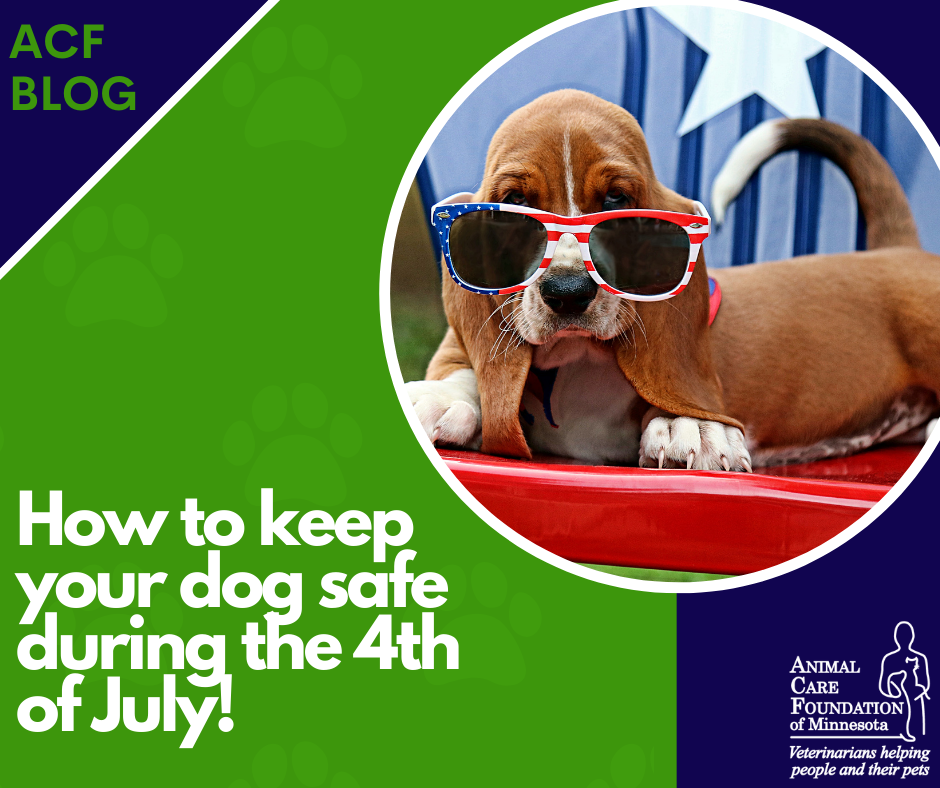 The 4th of July is an exciting event that brings friends and family together. That often means people bringing their furry friends along to cabins, lake fronts, and backyards to watch fireworks. However, this can cause unnecessary stress for your dog. Keep reading for tips and tricks on how to keep your pet happy and stress free on the fourth! It is best to keep your dog inside and not bring them to the fireworks. Dogs' hearing is far more sensitive than humans. The loud sounds can be anxiety inducing and very frightening for your pooch even if they are not normally anxious. If they are fearful of the fireworks, your pet may try to run away from them, leading them to get lost. If they have to be outside, make sure to keep your pet on a leash or contained so that they do not end up at the shelter. Make sure that your pet has the proper ID on them or that they are microchipped in case they run away. The better option is to keep your pet inside helping them ease their anxiety, but also to keep them safe. Whether or not your pet has pre existing anxiety or not, there are a few things that you can do to help them have a better night.
Create a comfortable environment for your pet and provide them a safe sheltered place with their favorite things (maybe a blanket or toy). Close all the windows, and put on television to have some background noise to muddle the sound of the fireworks. Distract them with toys and treats that will keep their attention. Try freezing a bone with peanut butter in the middle for your dog. That will keep them occupied long enough for the fireworks show to finish. You are the most important thing to them and your calm presence can go a long way to helping them feel safe, so consider sitting with them through the fireworks display. In extreme situations, you can ask your veterinarian about anxiety medication. If the suggestions above do not help your pup and they are still very anxious, medication may be the best choice. You can get something that is just a single use medication or something longer if your pet has anxiety outside of fireworks.
Your pets will thank you for helping them have a stress free 4th of July! For more information check out these articles: https://www.npr.org/2021/07/03/1012255593/4th-of-july-fireworks-dogs-cats-pets-safety https://www.akc.org/expert-advice/training/how-to-keep-your-dog-calm-during-fireworks/’ Written by: Helen North 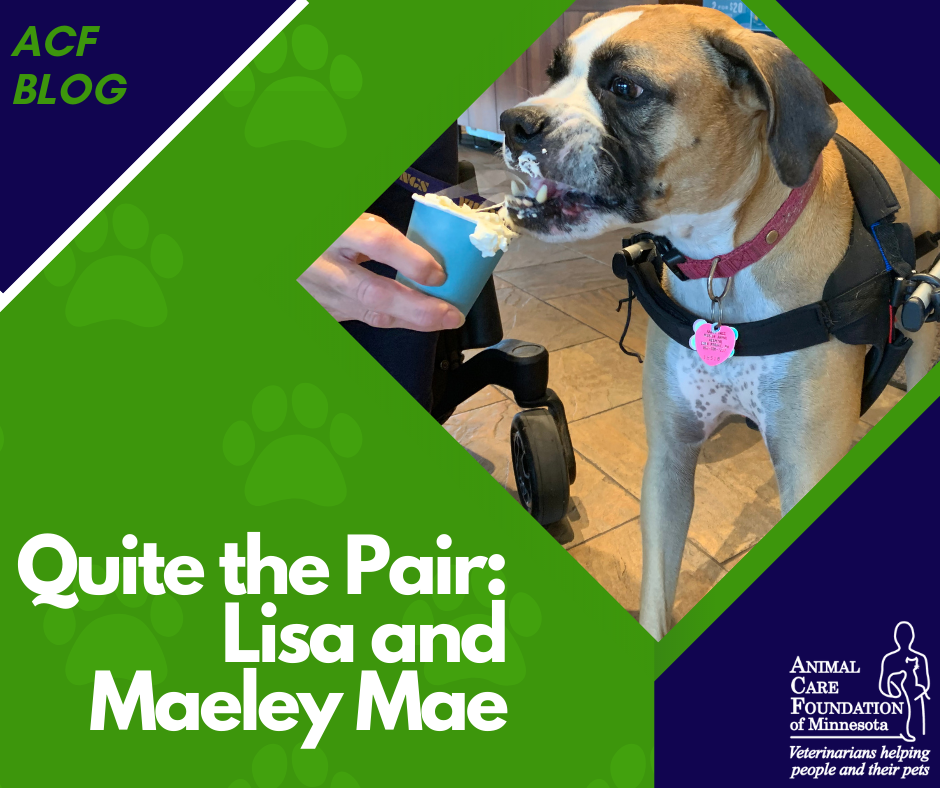 I lost my Schnauzer Sasha after 14 years together. After her loss, I was unsure if I was ready for another dog. I have always had a dog and other animals in my life. I was looking at getting another dog, following all the rescues, watching all the websites. I went to the Winter Carnival at the Doggie Depot. There, I spoke to a lady about fostering. It was a good idea. I could help out, get the love, all while I waited for the right match to come into my life. I filled out the paperwork and was vetted. After I went to a couple of meet and greets, I was in.
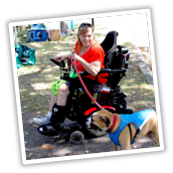
Lucy, from the MN Boxer Rescue, soon called with a dog that was being transported from Texas that had some mobility issues and needed a short term foster that had an accessible home. Being in a wheelchair myself, I could accommodate her since I had a ramp and main floor living. That night she arrived at my home. She came right to me, up the ramp and into the house. She quickly made herself at home. At this time she could walk but was very wobbly and weak. We would go on walks several times a day. She had several doctor appointments and tests during that first year. I would bring her to all of the meet and greets. She loved to be in public and meet people. People would think that she was my service dog. There were people interested in adopting her, we even brought her for home visits. But people were hesitant because the reason for her condition was still unknown.
After fostering her for a year and a half we had really connected. I was hesitant to adopt her due to her medical conditions as well. But the love was wearing my common sense down. I went back and forth so many times whether or not adopting her was a good idea. Could I be a caretaker with my economic situation? Would I be the right fit for her? I decided that I would do my best to budget for her needs. I adopted her officially, knowing she was already home where she belonged.
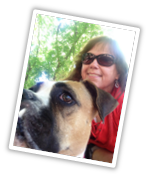
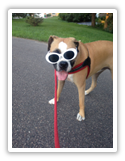
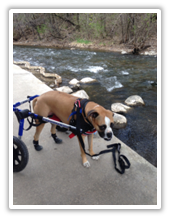
Maeley had a rough start with several bladder infections and surgery for stones as well as a long battle with heart worm treatments. The first year her legs became even less stable and she still did not have a diagnosis. Most of the doctors agreed we had ruled out several things and it would be best to track her progress and treat her symptoms. She eventually needed a wheelchair. Which she took to right away. Through all of this, there were several places that helped with her care. The MN Boxer Rescue covered some of her initial medical costs, I did a Go-Fund-Me to help cover the cost for the heart worm treatment. The Animal Care Foundation helped with basic shots and later with the cost of her prescription food she needs for the bladder stones. We found a great nonprofit clinic, Mission Animal Hospital, that has a sliding fee scale program for her other needs. I also utilize Care Credit, since I could not get insurance for her because of her pre existing condition. I treat it as a monthly expense for her. 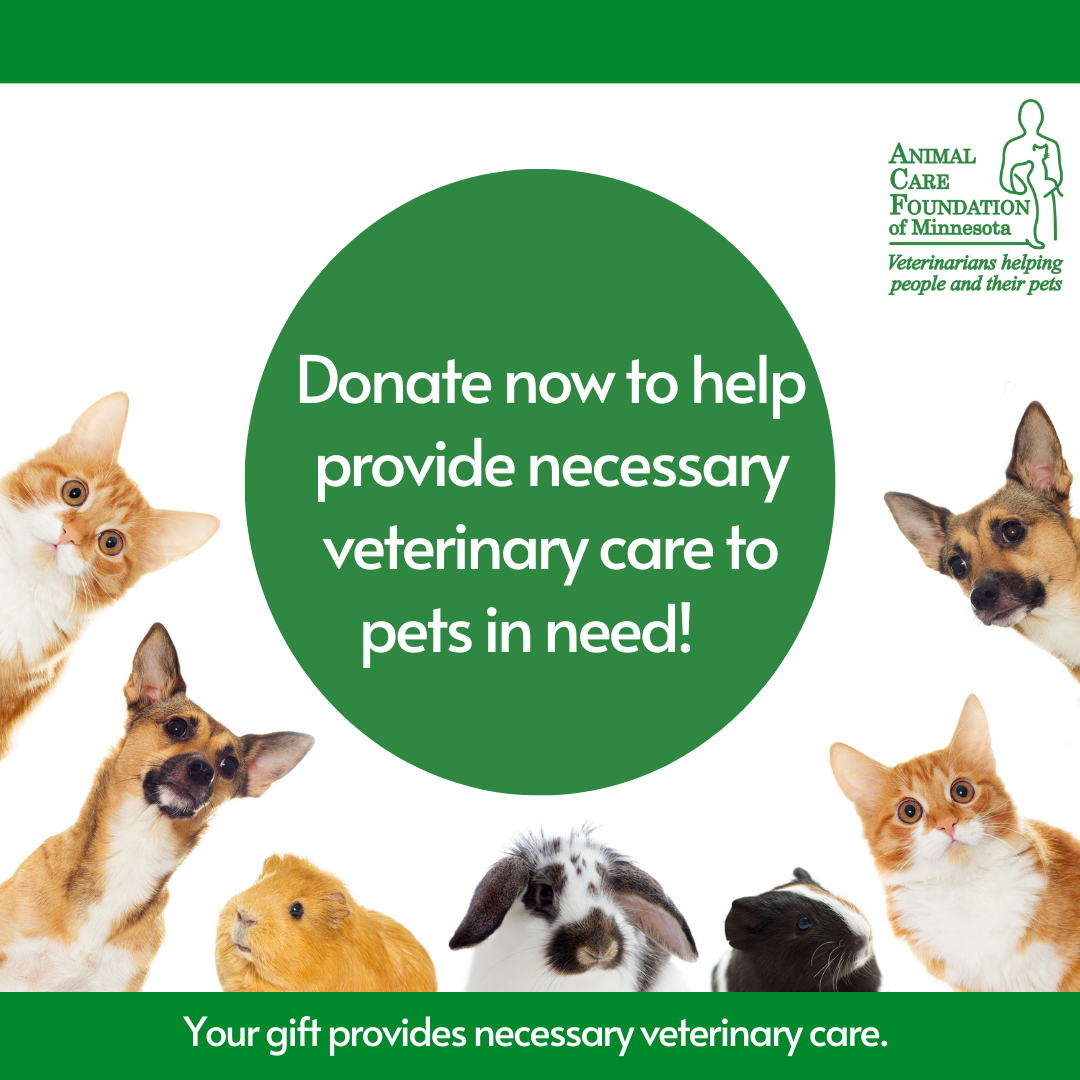 Marley Mae is 7 years old now. And we have been together for almost 6 years. She is now fairly stable and a happy girl. She loves to play, go on walks, and adores people (especially kids). She is very sweet and gentle. She is truly a great dog. I have physical disabilities and suffer with depression, I have to say she is my ultimate support animal. She helps me get up and go, no matter how I am feeling. She needs me as much as I need her! We help each other every day. We really are “quite the pair” as people have said.
Lisa and Maeley Mae |
Animal Care FoundationProviding elderly and disabled community members access to veterinary care for their beloved pet. Archives
October 2026
Categories
All
|








 RSS Feed
The Animal Care Foundation is a 501.c.3 nonprofit.
Updated: 09.23.2025
Proudly powered by Weebly
Background photo created by montypeter - www.freepik.com
Updated: 09.23.2025
Proudly powered by Weebly
Background photo created by montypeter - www.freepik.com