
With summer winding down, and leaves beginning to change, school is nearly back in session! The transition from the summer season to the school year can be ruff on pets, continue reading for tips to prepare your pet for the smoothest transition possible.
Easing Into a New Routine The key to a smooth transition with routines is to start slow! By easing your pet into their new routine, they’ll be more likely to adapt faster. During the summer pets get used to lots of activity and sounds around the house, meaning its up to you to make sure your pet gets used to staying home alone. Starting three or four weeks before school starts, build in short absences during the week. The goal is to make your pet feel as comfortable as possible, normalizing the new schedule while it’s still summer prepares your pet for a gradual and smooth transition
Bathroom and Meal Times
It’s inevitable your pet’s bathroom and meal times will change with the new schedule. However, establishing specific times throughout the day can help smooth out the change of routine. Focus on consistency! Mapping out you or your family’s day is also critical in relation to letting your pet out and making sure they’re fueled. Talk to your family and establish a game plan for who’s taking your pet out, and who’s feeding your pet. Weeks before school starts, try to stick to the times you’ve picked for your pet; this will ensure your pet knows exactly what to expect! The adjustment might take some time, but with your help, your pet will adapt.
Exercise
Despite the busyness of back to school, your pet’s physical activity should not be compromised! Be sure to strategize how you’re going to fit in lots of walks and outside time for your pet with the new schedule. A dog or cat with pent-up energy that’s left home alone all day can become stressed and they may cause you extra stress if the diversions they come up with for themselves damage your belongings. An active pet is a happy pet, make sure exercise does not take a back-seat despite how crazy your schedule may feel.
Quality Time
We all love our pets unconditionally throughout every season, though it may be more challenging to find quality time to spend with your pet during some seasons. With all of the adjustments to your schedule, it’s important to make sure your pet isn't feeling neglected. Find a few blocks of time to play catch, use the laser pointer, or snuggle up with a magazine or book and your furry friend on the couch. You can also try and find activities that meet multiple needs. For example, you could bring your dog to the hardware store the next time the toilet breaks and it can be a fix it trip as wall as a walk. Separation Anxiety Separation anxiety is real! It’s natural to miss your pet, but making a big deal everytime you say goodbye perpetuates the idea that leaving your pet is a big deal. As you and your family get ready to spend more time away from your pet, normalize leaving. Go to the shop and simply say, “Goodbye, Fido” instead of making a big deal about leaving. If you make a big deal everytime you leave, your pet will think there is a problem and be more stressed for longer periods after you go then if you treat it as a normal occurrence that is not a big deal. (If you are the one experiencing the anxiety, fake it till you are out of the house and far enough away that your pet can’t hear you. I know, they’re your best friend! It is hard to say goodbye! But, you’ll be home in no time!)
In Conclusion
Keep in mind there’s not one perfect schedule, the best thing to do is practice your new routines and continue showering your pet with lots of love, care, and attention. Find time to spend with them and ensure that their basic needs are met and they should adapt to the new schedule. Written By: Grace Butler
1 Comment
As the summer heats up, it gets more challenging to find weather appropriate outings for your dog. The extreme heat makes walks on pavement a big no-no mid-day, and the sun can cause your dog to overheat in no time. So, what is a dog loving owner supposed to do? Consider checking out some of these dog friendly patios in the Minneapolis/Saint Paul area for your next brunch or lunch break with Fido
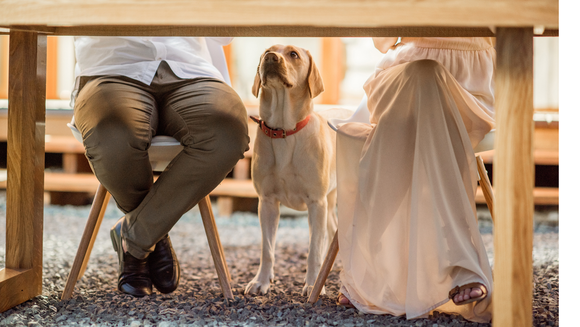
Name: Aster Café
Address: 125 SE Main St, Minneapolis, MN 55414 Cuisine: Sandwiches and Flatbread Dog Amenities: Patio Name: The Bar Draft House Address: 2101 Vermillion St, Hastings, MN 55033 Cuisine: Simple Bar Fare Dog Amenities: Patio Name: The Block Food + Drink Address: 7007 Walker St, St Louis Park, MN 55426 Cuisine: Home Style Fare & Health Conscious Bowls (Vegan Options) Dog Amenities: Patio (heated in the winter), yoga matts for lounging, dog menu
Name: Book Club
Address: 5411 Penn Ave S, Minneapolis, MN 55419 Cuisine: California Inspired Eatery Dog Amenities: Patio Name: Burger Moe’s Address: 242 7th St W, St Paul, MN 55102 Cuisine: Burger Joint Dog Amenities: Patio Name: Duke’S on 7 Address: 15600 MN-7, Minnetonka, MN 55345 Cuisine: American Dog Amenities: Patio (heated in the winter), yoga matts for lounging, dog menu Name: Fletcher’s Ice Cream Address: 1509 Marshall St NE, Minneapolis, MN 55413 Cuisine: Ice Cream and Waffles Dog Amenities: Patio
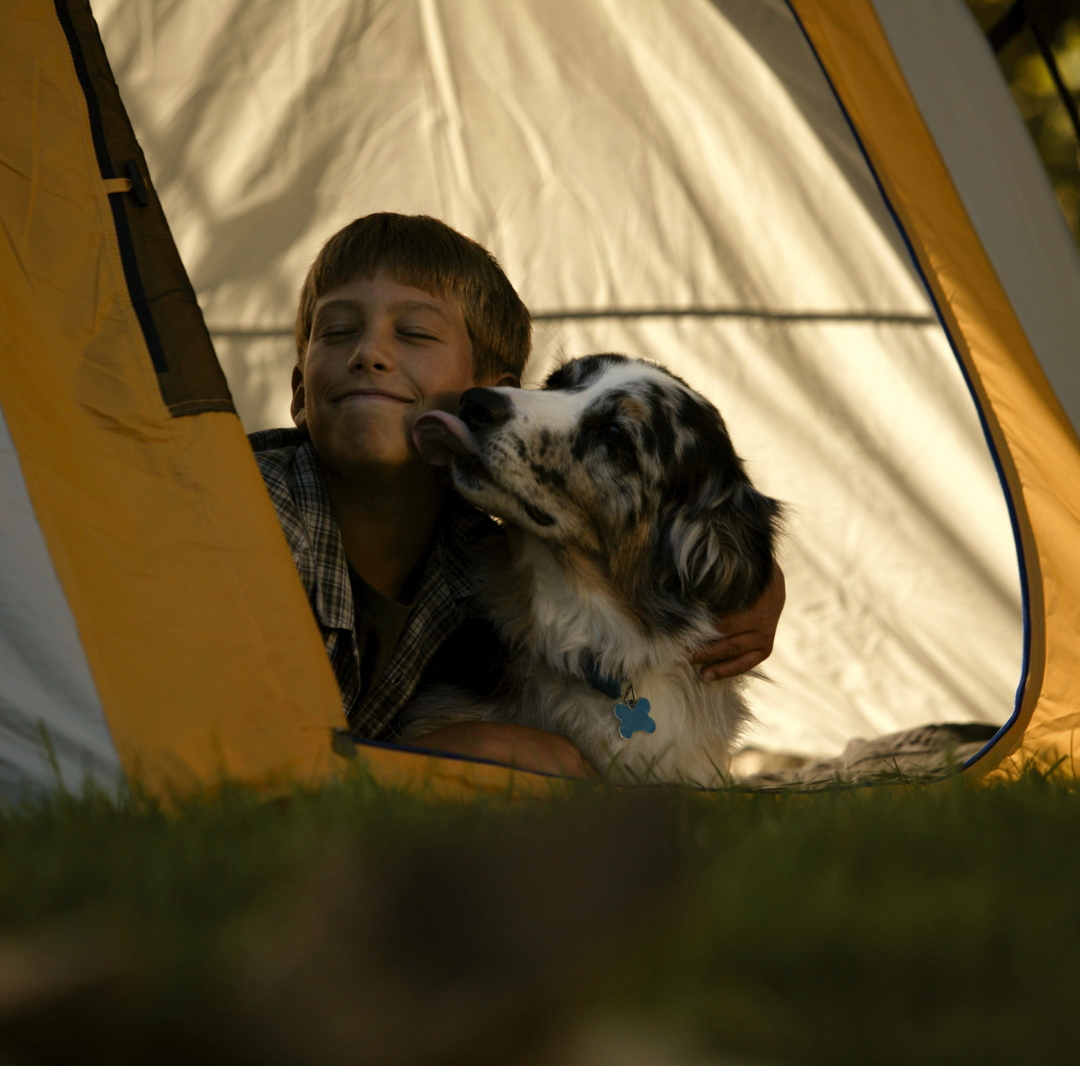
Name: The Free House Address: 701 N Washington Ave #101, Minneapolis, MN 55401 Cuisine: Gastropub Dog Amenities: Patio Name: Hai Hai Address: 2121 University Ave NE, Minneapolis, MN 55418 Cuisine: Modern Vietnamese Street Food Dog Amenities: Patio Name: Hola Arepa Address: 3501 Nicollet Ave, Minneapolis, MN 55408 Cuisine: Venezuelan style stuffed arepas Dog Amenities: Patio Name: Howe Daily Kitchen and Bar Address: 3675 Minnehaha Ave South, Minneapolis, MN 55406 Cuisine: Pub Food Dog Amenities: Patio (heated in the winter), yoga matts for lounging, dog menu Name: Lake & Irving Address: 1513 W Lake St, Minneapolis, MN 55408 Cuisine: American Dog Amenities: Patio Name: McCoy’s Public House Address: 3801 Grand Way, St Louis Park, MN 55416 Cuisine: Burgers, Pizzas, and Comfort Food Dog Amenities: Patio Name: Pub 819 Address: 819 Mainstreet, Hopkins, MN 55343 Cuisine: Gastropub Dog Amenities: Patio (heated in the winter), yoga matts for lounging, dog menu Name: Stanley’s Northeast Bar Room Address: 2500 University Ave NE, Minneapolis, MN 55418 Cuisine: Pub Food Dog Amenities: Patio (heated in the winter), yoga matts for lounging, dog menu Name: Stray Dog Address: 401 E Hennepin Ave, Minneapolis, MN 55414 Cuisine: Pub Food with many vegetarian options Dog Amenities: Patio Written by: Heather Mains 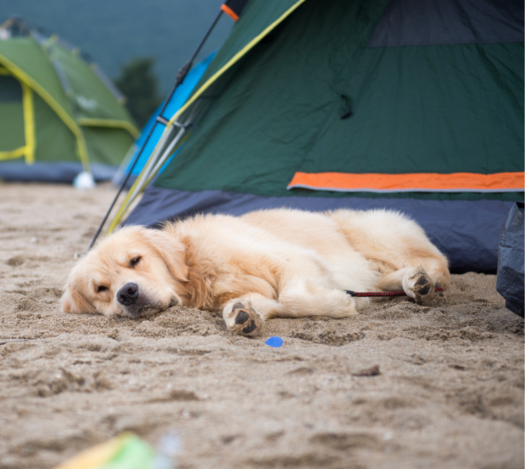 Whether camping in a tent, a cabin, or a camper, there is nothing better than doing so with your best friend.
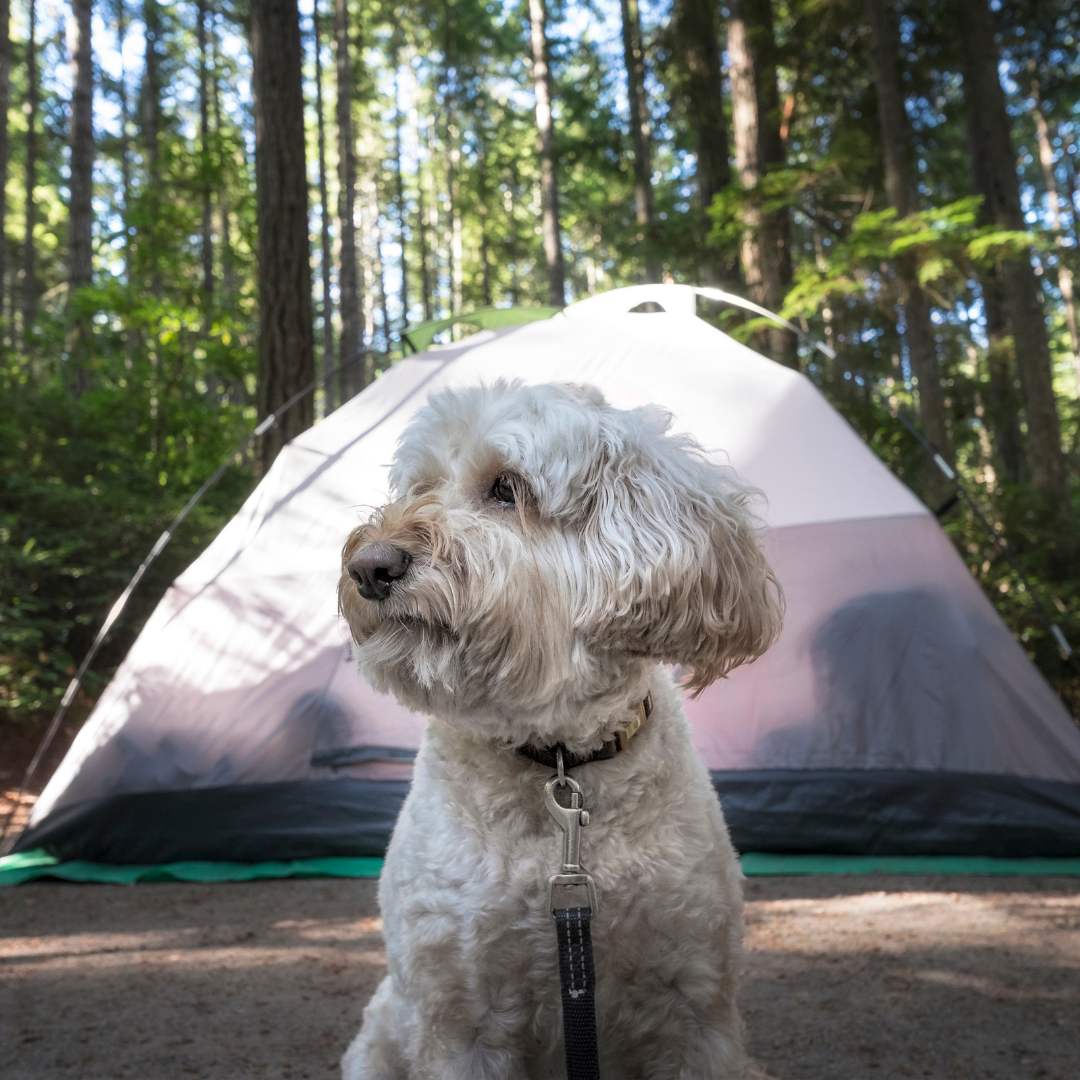
Picking your Partner In my case, my best pal is my pup, Ben. Now, he didn’t exactly have much of an option but to camp since we first crossed paths on a cross country road trip. Luckily for me, he is a natural in the outdoors. But, how can one tell if their favorite housemate is ready to camp? Some things to consider are your dog's comfort level with travel, their ability to change up their routine, temperament around people and animals, and of course, a desire to adventure. Ask yourself, can your dog handle a long (or short) car ride to your destination? If not, camping may not be for them. A camping trip does not need to be far from home, but generally involves some travel. Next, how does your dog handle change? For most of us, camping is quite different from our normal routine. This can mean a change in feeding and bathroom routines, as well as sleeping in a different environment. Take into account how you will be camping. Whether you are in a tent, a cabin, or a camper, think about how your dog usually sleeps. Keeping their routines as close to normal as possible will help ensure you both enjoy your camping experience. Depending on your location, it is likely you will encounter other campers of all ages, as well as their pets. If you are at a public campground, RV park, or cabin resort, it is important that your dog be comfortable with strangers. Lastly, what kind of adventures does your dog enjoy? In my case, Ben likes anything that involves water, fetch, and getting pets from anyone, especially kids. Is your dog high energy like mine? Or are they more content with an afternoon basking in the sun? Any dog can be a camping partner as long as you find the right trip for them! 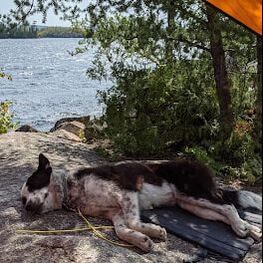 Location, Location, Location While any dog can be a camping dog, not every location will allow them to be. When looking for a place to camp, there are a few things to consider. Private campgrounds make-up their own rules. While many campgrounds, RV parks or resorts post their pet policy on their website, it is always a good idea to call to make sure your partner in crime will be welcome. State park and state forest campgrounds tend to be more pet friendly. Keep in mind, your pet will need to be leashed at all times while in the campground and on trails. This is for your pet’s safety, as well as for others. Campgrounds are often busy with both car and foot traffic. As always, bring plenty of bags to pick up after your pet! One thing to note is that in my experience, state park and state forest yurts and cabins do not allow dogs. Wherever you choose to camp, it is a good idea to keep your pet leashed. If your pup is well trained to be off leash, do so in an area that is designated for off leash, or is free of other visitors. I like to bring a long wire tether for Ben, as he has a habit of chewing through anything he can when tied up! This gives him freedom to roam, but keeps him a safe distance at all times.
Tips & Tricks You know the saying, there’s no such thing as bad weather, just bad clothing… The same can be said about camping! Luckily, Ben and I enjoy cool weather together. And, while we both melt in the heat, it can be much more dangerous for him. One way that we help beat the heat is by camping near water. Ben is great at knowing his limits and will find his way to water when he starts to overheat. However, it is still important that you keep an eye out for signs of heat stress. Dogs don’t sweat the same way we do, so it can be more difficult for them to dissipate heat. If your dog is panting heavily and acting lethargic, this is a sign that they are too hot! The best way to combat his heat is to provide them with plenty of cool water to drink, shade, and a cool space to rest. Wetting your dogs fur and going for a drive with the windows down is another way to help lower their body temperature. When camping in cooler weather, make sure to provide your dog with a warm place to curl up. Ben’s double coat makes him an ideal winter dog, but smaller dogs and dogs with short fur are not. If you notice your dog shivering, give them a blanket to lay on or cover them with. In a pinch, you can usually put one of your sweaters or jackets on, putting their front legs through the sleeves. Hot or cold, camping is always best when done with friends. Once you know your pup is ready for an adventure and you’ve found a place, plan some fun activities. Go for a hike, a swim, play fetch, or take a nap, because any adventure with your dog is a good one. Written by: Samantha Glowacki
There are so many toxic plants that can harm your furry friend if they are ingested. We know that this area of pet care can be difficult to navigate, especially when you do not know what kind of plant you have. We recommend checking the ASPCA's toxic plant list before bringing any new house plants into your home. When you are in the store you can ask for help identifying the plant or flower from staff members so that you know what you should look up. The ASPCA's toxic plants list can be found here. Personally, I keep the site bookmarked on my phone for easy searching. You can also look through the flashcards below to see the most common (with a focus on the most deadly) poisonous plants and their impact on your pet if they should ingest them. Click on the next button to view the detailed information about each group of plants. If you suspect your pet ingested something toxic, call the Pet Poison Helpline (855-764-7661) and your veterinarian or emergency clinic immediately. The sooner they receive treatment the more likely there will be a positive outcome! Do NOT take a wait and see approach, as this can lead to death.  As temperatures begin to rise, a common issue that all pet owners should be aware of is heatstroke. Heatstroke occurs when the body becomes unable to control its temperature and most often occurs when the body has been exposed to hot temperatures over a prolonged period of time. Since dogs don’t have the same sweat mechanism as humans, they are far more susceptible to heatstroke. 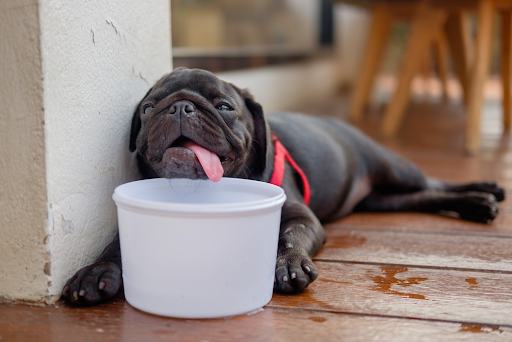 The most common causes of heatstroke in dogs are the result of a pet parent mistake. Leaving a pet in an unattended car, forgetting to provide water and shade outdoors, or excessive exercise on hot days are the leading reasons pets suffer heat stroke. To prevent your pet from getting heatstroke, remember that hydration is key! When a dog loses body fluid faster than they can replace it, they will suffer from dehydration. Dehydration greatly increases chances of heat exhaustion and heatstroke. You can read more about hydration and heat protection here. It is always a better choice to prevent heatstroke in the first place, but knowing the symptoms can help save your pet’s life if a mistake is made. The most telling signs include heavy panting, heavy breathing, lethargy, drooling, vomiting, diarrhea, bleeding, and bruising on the skin or gums. Less obvious symptoms could involve a fever, lack of urine, rapid pulse, and muscle tremors. If you suspect that your pet is suffering from heatstroke the first thing to do is call your veterinarian or closest emergency animal hospital and let them know what happened and that you are on the way. While doing so, immediately remove your dog from the heat. The best ways you can take care of your dog post-heat stroke is providing a surplus of cold water along with cooling your dog off with cold-damp towels. Any hot environment can cause heat stroke in any breed of dog, however, some dogs are more prone to heatstroke than others. Dogs with thick fur, short noses, and brachycephalic breeds (flat-faced dogs such as pugs, boxers, and bulldogs) are the most at risk. As a pet parent, you are in charge of your pet’s health, which is an amazing privilege and tremendous responsibility. The best summer yet with your pup is within reach, just be sure to stay cool!
For more information on Heatstroke check out: https://www.noahsarkvet.com/11-symptoms-of-heat-exhaustion-in-dogs Written by Gracie Butler 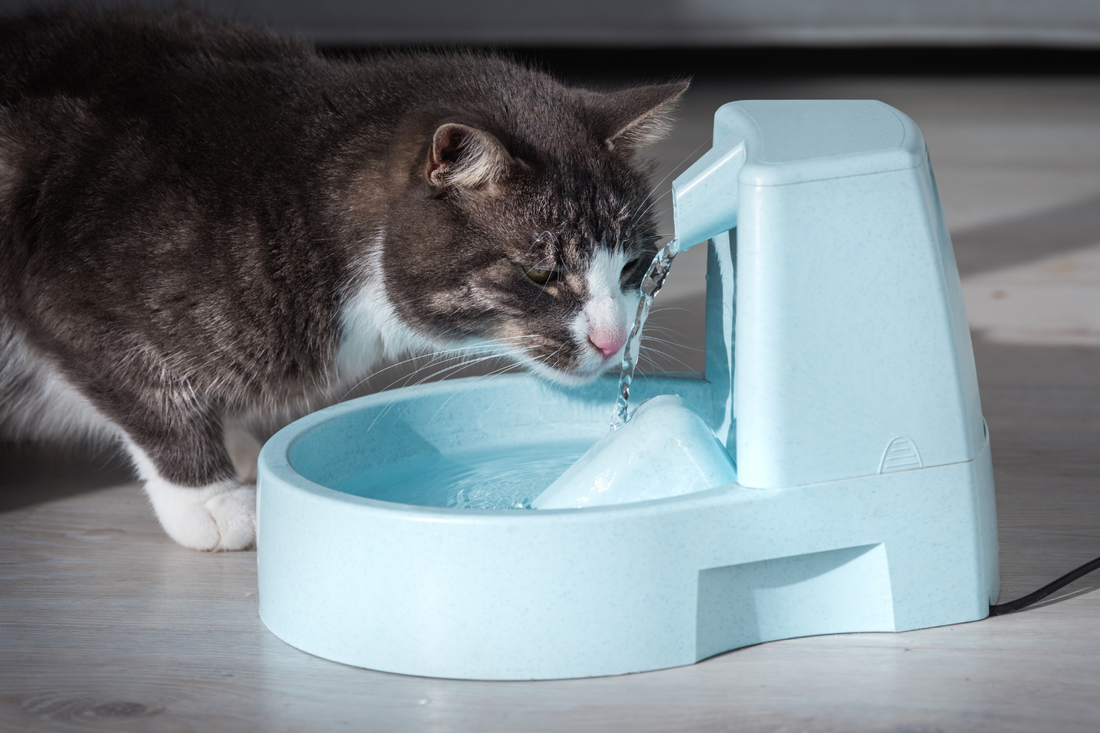 A pet fountain is a water fountain for your pets. Many dogs and cats prefer running water to drink from, so having a pet fountain that is a source of running water will grab the attention of your pets and can help keep them hydrated. Generally, cats are picky water drinkers so a device like this helps encourage them to drink more.
Pet fountains maintain a temperature that is 1 - 2 degrees cooler than a traditional pet water dish. Pet fountains can also carry 1-6 liters of water, which means you don’t have to constantly refill your pet’s water. Because the water in a pet fountain is constantly circulating it helps prevent dirty build-up, unlike a traditional water bowl. Some pet fountains even have filters to collect any dirt in the fountain, keeping the water clean and safe for your pets. However, this doesn’t mean that you can get by without cleaning the fountain. It is a good idea to clean the fountain at least once per week. Most fountains have a filter that will last for about a month, make sure to replace it as recommended by the manufacturer. Pet fountains can be especially helpful for pets with kidney or liver problems as well as diabetes. Since you can not reason with your pet to get them to drink more, having appealing sources of water for your pet can be a great health benefit. Because of this, you should consider having multiple sources of freshwater for your pet around your home so they are always close to an attractive water source. One fountain in an inconvenient location will not increase the amount your pet drinks. When looking for a pet water fountain, make sure you get one that is specifically made for pets or says that it is made of food safe materials. Many decorative fountains contain minerals or chemicals that are dangerous for people and animals to consume. What are your experiences with pet fountains? Please comment below. Written by Shaniya Payton and Heather Mains Cats and dogs are amazing for countless reasons, but have you ever seen your pet do something strange and wonder why? Today we’re counting down some of our favorite funny pet behaviors and breaking down the meanings behind each action.
Written by: Gracie Butler
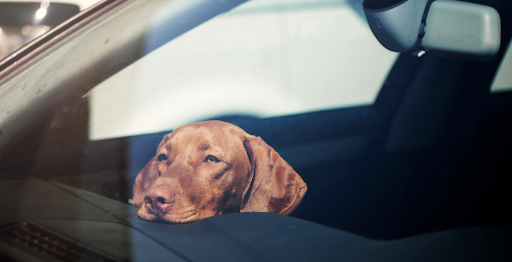 One of the most avoidable pet-fatalities occurs when pets are left in cars. Whether you’re running into the grocery store or popping into the post office, it is never safe to leave an animal in a hot car unattended. According to studies, hundreds of pets die from car-related heatstroke every year; studies also show the first 15-30 minutes are critical. Parked cars can become ovens fast. Even on a day a moderately warm day, a parked car can rise from 75˚F to 100˚F in just ten minutes. You may have heard of a “safe period”, the amount of time in which your pet can be left in a car. However, it is not prudent to follow a “safe period” since there are external factors that you can not control, such as the sun shifting. Since there are many factors as to why a car heats up, there’s not a safe amount of time to leave your pet. Another thing to remember is your pet’s inability to sweat. You’ll need to keep in mind when you’re warm your animal is even warmer! Most dogs and cats are covered with a thick coat of fur making it difficult for them to dissipate their body heat. Warning signs that your pet is in distress include heavy panting, tongue hanging out, restlessness, anxiety, clawing at window, trembling, vomiting, disoriented, foaming at mouth, diarrhea, collapsing, and seizures. What can you do if you see an animal trapped in a car that appears unsafe? The state of Minnesota prohibits leaving a dog or cat unattended in a standing or parked motor vehicle in a manner that endangers the dog's or cat's health or safety. For this reason, you can feel justified calling law enforcement. You could also wait nearby for a few minutes to see if the owner returns quickly. All pets are at risk of developing heat stroke if left in a car, this can lead to severe illness or death. We urge you to recognize it is always your responsibility to keep your pet safe and spread awareness! Ultimately, the goal is to avoid the heartache of losing your pet’s life to a hot car. 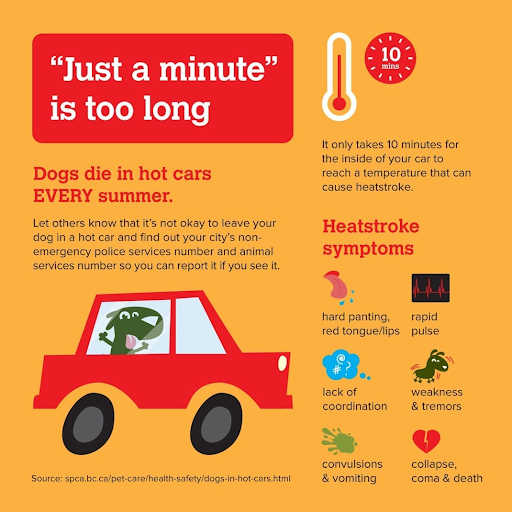 Written by: Gracie Butler
The dog days are in full-swing, and you may be wondering how to keep your pup happy and healthy during this warm season! From hydration to feet protection, read on to learn how to keep your dog healthy and happy as you enjoy the warm weather together. 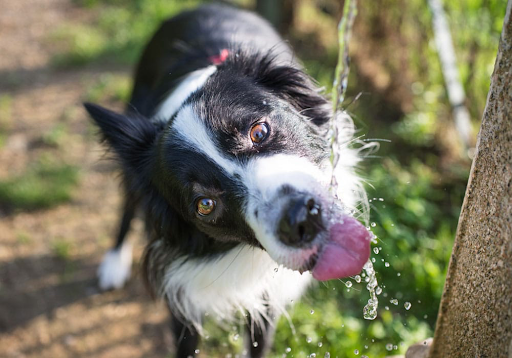 Hydration The first step to beating the heat with your dog is to always have a supply of water. Whether you’re going for a stroll, drive, or running an errand, it’s important to keep your dog hydrated both indoors and outdoors. Many public beaches and parks have a spout of clean water, but it’s never safe to assume; error on the side of caution and bring water. You’ll also need to know how to identify signs of dehydration, the more noticeable signs can include vomiting, loss of energy, excessive panting, and the loss of elasticity in your dog’s skin. However, there are less spottable signs; here is a resource that identifies all possible signs and can help decipher if your furry friend has had too much sun. https://www.akc.org/expert-advice/health/warning-signs-dehydration-dogs/ 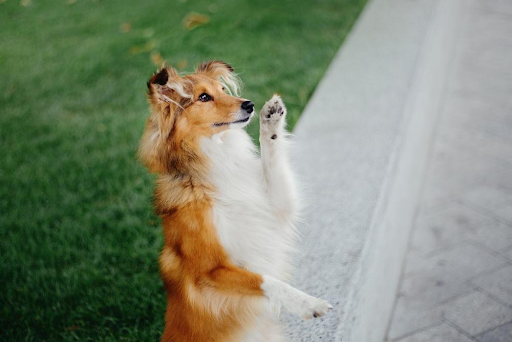 Paw Protection The next thing you’ll want to know is how to protect your dog’s paws. We all know the pain of a bad sunburn, but did you know your pup can catch a burn too? Burned paws are more common than you may realize, wildly uncomfortable, and potentially dangerous for your dog. The signs you should look for are limping, avoiding walks, licking or chewing feet, paw pads appearing darker than usual, pads looking visibly damaged, and blisters or redness. To avoid burned paws try using dog booties or socks to shield hot pavements and avoid walking on streets during the peak temperature of the day. It’s important to regularly check their paws and monitor the weather app before strolling on hotter surfaces. Since your dog may not realize there’s a problem, it’s up to you to recognize the signs and protect your furry friend.  Find Shade As much as you and your pup may love to bask in the sun, we all need a break! Whether you’re on a walk, spending time at the park, or chilling in the yard, be sure to scout out a shady area for your dog to catch a break from the rays; tree shade and tarps are prime places since they don’t obstruct air flow. We recommend paying attention to how long your dog has been exposed to the sun, and make sure to monitor how strong the UV rays are that day. Always remember when you’re warm, your dog with a fur coat and inability to sweat, is especially warm.  Take a Break
The final thing we want you to keep in mind is to give your dog a rest! With all the adventures summer has to offer, it’s important to take a break from your summer activities, head indoors, and enjoy a nap. We suggest monitoring your dog’s activity and building in breaks on the particularly hot days. Despite how much energy your pup exhibits, we all need downtime. Make sure to know your dog’s limits in order to have the happiest and healthiest summer yet! Written by Gracie Butler Spring and summer are finally within reach, and with the temperatures rising you may be looking for some activities to make the warm seasons cool. Here are a few ways to make the most of your Spring and Summer with your pup. Go For a Stroll, Hike, or Run Activity Intensity Rating: 3/10 - 9/10 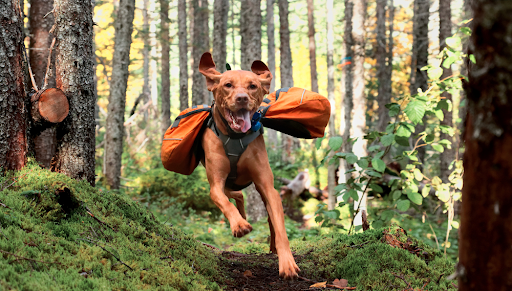 We all know how much dogs love to embrace the outdoors! Whether it’s through a walk, hike or run, such activities are possible nearly everywhere anytime! Some great trails your dog will love in Minneapolis and St. Paul are the Minnehaha Fall Lower Glen Trail, the Mississippi Gorge Regional Park, and Winchell Trail. You can Google “hiking trails'' for a list in your area. Whether you head for a wooded trail or walk around your neighborhood, spending time outdoors is a great way to get some exercise and have quality time with your dog. Dog-friendly Dining Activity Intensity Rating: 2/10 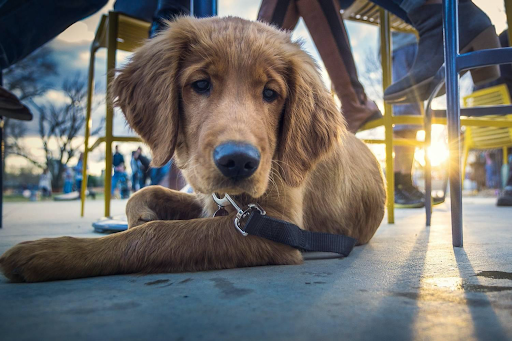 Outdoor dining in the Spring and Summer are great, bringing your dog along with you to your favorite patio is even better! Two great options with dog-friendly patios in Minneapolis and St. Paul are Eagle Street Grill and Aster Café. If you’re looking to feed you and your dog head over to The Howe Daily Kitchen and Bar where dogs are welcome on the “pawtio” and have their own doggy menu; yappy-hour is from 3:00pm-6:00pm! Take a Swim Activity Intensity Rating: 2/10 - 5/10 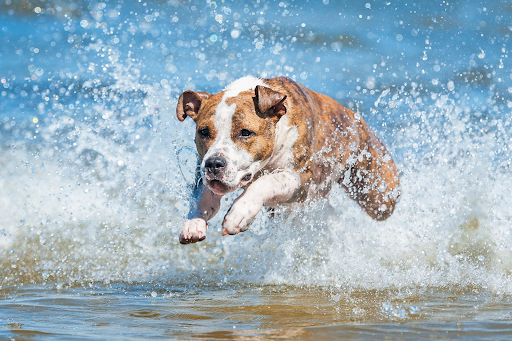 Splish, splash, or take a bath! In the land of 10,000 lakes finding a body of water for your pup to splash around in is hardly a problem. Whether you’re wanting to play with your dog or just enjoy watching them, taking advantage of the water is a great way to cool off on those warmer days. Make sure you check for postings about sewage leaks, algae blooms, or other contamination that would make the water unsafe for your dog before letting them swim. Enjoy a Treat Activity Intensity Rating: 2/10 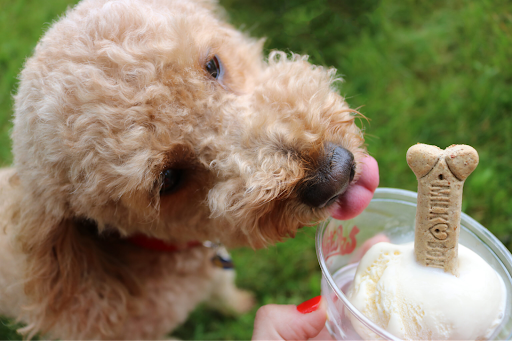 Whether it be a pup cup, lick of ice cream, or homemade dog dessert, your dog will love a sweet treat to enjoy on beautiful Spring and Summer days. Pup cups can either entail a small cup of custard or whip sold at numerous fast-food chains such as McDonald’s, Dairy Queen, and Starbucks. If you’re looking for a DIY activity, countless dog dessert recipes can be found on Pinterest. What better way to show your dog how much you love them than by treating them with sweetness! If your dog has never consumed these treats make sure to offer them in moderation. Dogs are lactose intolerant and if they eat too much of these delicious treats, their tummies may not be too happy! Offering them ice cubes or other hard frozen treats can cause cracked teeth that then need to be addressed by a veterinarian, softer options are better. Some dogs are very sensitive to dietary changes, checking with your vet before trying these treats would be a good choice. Yard and Outdoor Relaxation Activity Intensity Rating: 1/10 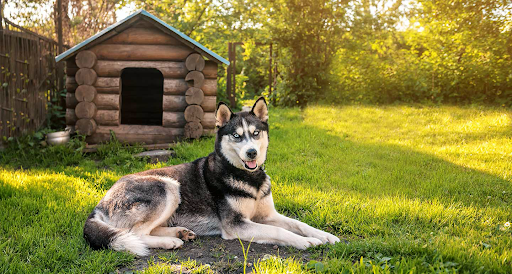 Sometimes the best ways to spend time with your dog are more peaceful and laid-back activities. For this activity all you really need is a cozy spot in your yard or local park! Hot days are inevitable this summer, make sure your dog takes breaks from play and has access to plenty of water and shade to avoid heat exhaustion and potentially life threatening reactions.
Written By: Grace Butler |
Animal Care FoundationProviding elderly and disabled community members access to veterinary care for their beloved pet. Archives
March 2024
Categories
All
|




 RSS Feed
Contact Us:
P.O. Box 24525
Edina, MN 55424
(763)529-5060
Info@AnimalCareFoundation.org
P.O. Box 24525
Edina, MN 55424
(763)529-5060
Info@AnimalCareFoundation.org
The Animal Care Foundation is a 501.c.3 nonprofit.
Updated: 8/19/2022
Proudly powered by Weebly
Background photo created by montypeter - www.freepik.com
Updated: 8/19/2022
Proudly powered by Weebly
Background photo created by montypeter - www.freepik.com