 Introduction Separation anxiety is a common issue among dogs, and it can be distressing for both pets and their owners. Dogs with separation anxiety often display destructive behavior, excessive barking, and other signs of distress when left alone. Luckily, many effective solutions can help support dogs coping with separation anxiety. In this blog, we'll explore four solutions that can make a significant difference in your dog's life.
1. Gradual Desensitization Gradual desensitization is a widely recognized and effective technique for reducing separation anxiety in dogs. The idea is to slowly acclimate your dog to being alone by progressively increasing the duration of time they spend by themselves. Here's a step-by-step approach: - Start with short periods of separation, just a few minutes, and gradually extend the time. - Create a predictable routine for your dog to help them understand when you will leave and return. - Reward your dog with treats, toys, or positive reinforcement when they exhibit calm behavior during your absences. - Over time, your dog will learn that your departures are not permanent and that you will always return. 2. Comfort Items and Crate Training Providing your dog with comfort items, such as their favorite toys or a cozy blanket, can help ease their anxiety. Crate training can also be beneficial for dogs with separation anxiety. Here's how you can use these tools effectively: - Introduce your dog to their crate gradually, making it a positive and safe space. - Place their favorite toys, treats, and bedding in the crate to make it inviting. - Use the crate when you leave the house, ensuring it's a secure and comfortable environment. - Over time, your dog will associate the crate with safety and security, helping to reduce anxiety. 3. Medication and Professional Guidance In some cases, behavioral training alone may not be enough to manage severe separation anxiety. Consult with a veterinarian or a certified dog behaviorist to discuss the possibility of medication. Medications like anti-anxiety drugs can be prescribed to help alleviate your dog's anxiety. These should be used in conjunction with behavioral training and under the supervision of a professional. 4. Hiring a Pet Sitter or Dog Walker Sometimes, dogs with separation anxiety benefit from the companionship of a pet sitter or a dog walker. Having someone drop in during the day to spend time with your dog, take them for a walk, or provide playtime can break up the periods of solitude and ease their anxiety. This solution is especially effective for dogs that require more social interaction. Conclusion
Dealing with a dog suffering from separation anxiety can be challenging, but with patience, consistency, and the right solutions, it is possible to help your pet feel more secure and relaxed when you're not around. Each dog is unique, so it may take some trial and error to find the right combination of strategies that work best for your four-legged friend. Remember that overcoming separation anxiety is a process, and the key is to provide love, support, and understanding to help your dog build confidence and feel at ease when left alone. Written By: Ashley Neutgens
0 Comments
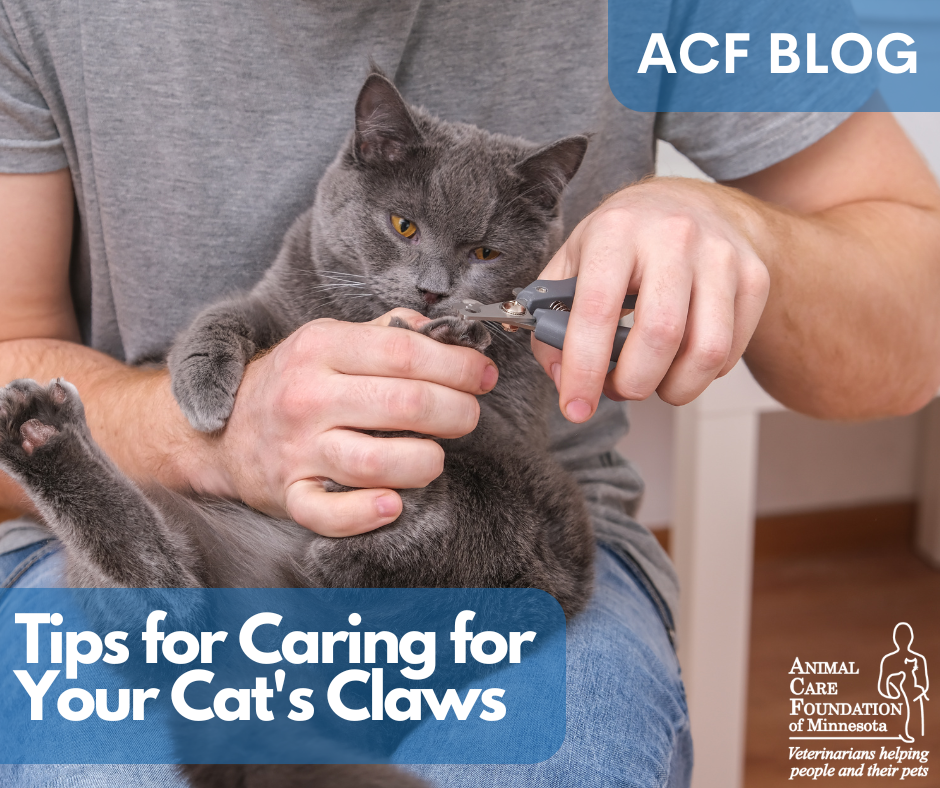 Cats are known for their sharp claws, which serve a variety of purposes, from hunting to climbing and scratching. While these claws are essential for your feline friend's well-being, they can sometimes pose challenges when it comes to maintaining your furniture and ensuring your cat's claws remain healthy. In this blog, we'll explore some essential tips for caring for your cat's claws to keep both your pet and your home in the best possible condition.
1. Provide a Proper Scratching Post Cats have an innate need to scratch to keep their claws healthy and sharp. To prevent your feline friend from using your furniture as a scratching post, provide them with a suitable alternative. Look for a sturdy scratching post made of materials like sisal or cardboard. Position it in an accessible and appealing location in your home. You can even sprinkle some catnip on it to make it more enticing. If you are having trouble with your cat scratching the corners of your couch consider buying cat scratching arm wraps made of durable sisal or other fabric that can stand up to their claws. If that is not possible you might be able to place furniture in such a way as to discourage scratching in that location while trying to encourage them to use the alternative scratching surfaces you have provided. 2. Regular Nail Trimming To maintain your cat's claws at a reasonable length, you may need to trim them regularly. Most cats do not enjoy having their claws trimmed, so it's essential to start this practice when your cat is young and gradually get them accustomed to it. Use cat-specific nail clippers and be cautious not to cut too close to the quick, as this can be painful and cause bleeding. If you're unsure about trimming your cat's claws, consult your veterinarian or a professional groomer. 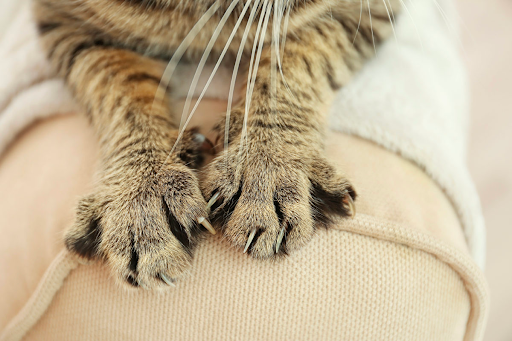 3. Offer Cat Toys and Playtime Interactive play is not only a great way to bond with your cat but also to help keep their claws in good condition. Toys that encourage pouncing, swatting, and grabbing can help naturally wear down their claws. Engaging your cat in playtime can also prevent boredom and reduce the likelihood of destructive scratching. 4. Check for Overgrown Claws Regularly inspect your cat's claws to ensure they are not becoming overgrown. Overgrown claws can curl into the paw pads, causing pain and discomfort. If you notice any overgrown claws, consult your veterinarian for guidance on how to address the issue safely. 5. Cat Claw Caps For cats that are particularly prone to scratching furniture or people, claw caps can be a temporary solution. These soft plastic caps are glued onto your cat's claws and can help prevent damage. While they don't replace the need for regular claw maintenance, they can be a helpful tool in preventing damage while you work on redirecting your cat's scratching behavior. 6. Diet and Nutrition A well-balanced diet can also contribute to your cat's claw health. Ensure that your cat's food contains adequate nutrients, including protein, vitamins, and minerals. Proper nutrition helps support overall paw and claw health. 7. Monitor for Signs of Claw Problems Keep an eye on your cat's claws for any signs of problems, such as splitting, excessive shedding, or signs of infection. If you notice any issues, contact your veterinarian for a thorough examination and appropriate treatment. Caring for your cat's claws is an essential aspect of pet ownership that not only benefits your feline friend but also helps maintain a harmonious home environment. By providing your cat with the right tools and guidance, you can ensure their claws remain healthy, and you can enjoy a scratch-free and happy coexistence. Remember to be patient and gentle when implementing these tips, as your cat's comfort and trust are of utmost importance.  Written by: Ashley Neutgens
|
Animal Care FoundationProviding elderly and disabled community members access to veterinary care for their beloved pet. Archives
April 2024
Categories
All
|



 RSS Feed
The Animal Care Foundation is a 501.c.3 nonprofit.
Updated: 8/19/2022
Proudly powered by Weebly
Background photo created by montypeter - www.freepik.com
Updated: 8/19/2022
Proudly powered by Weebly
Background photo created by montypeter - www.freepik.com