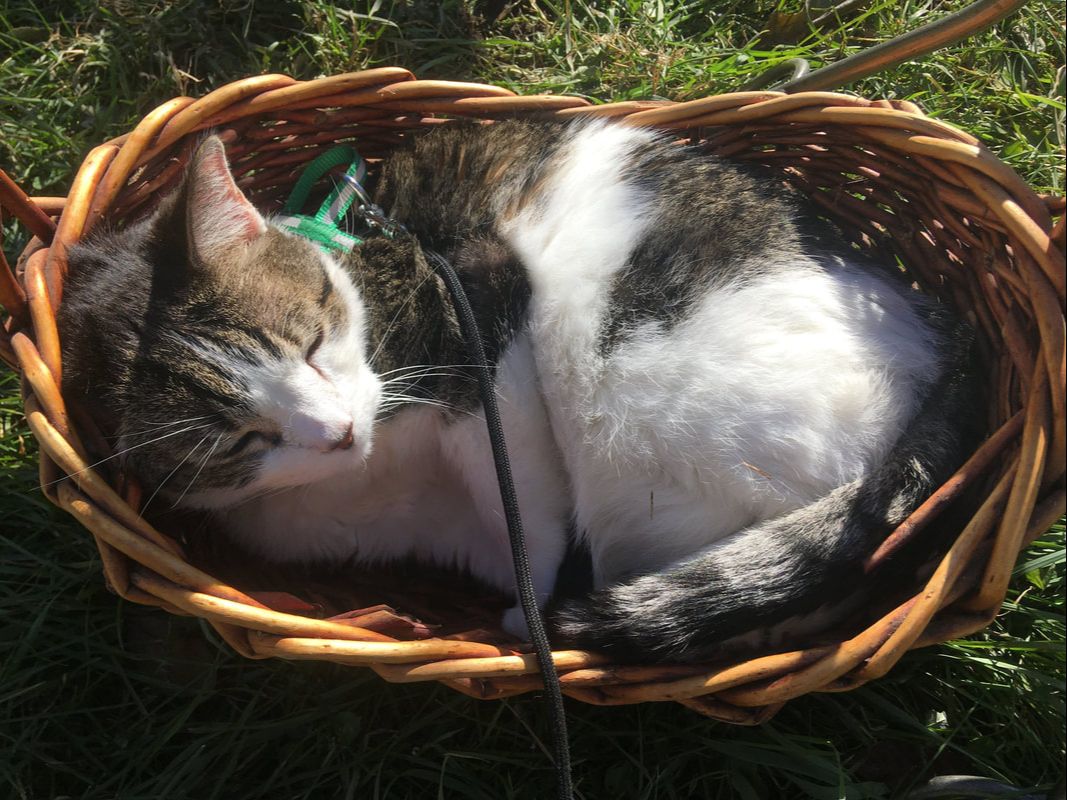
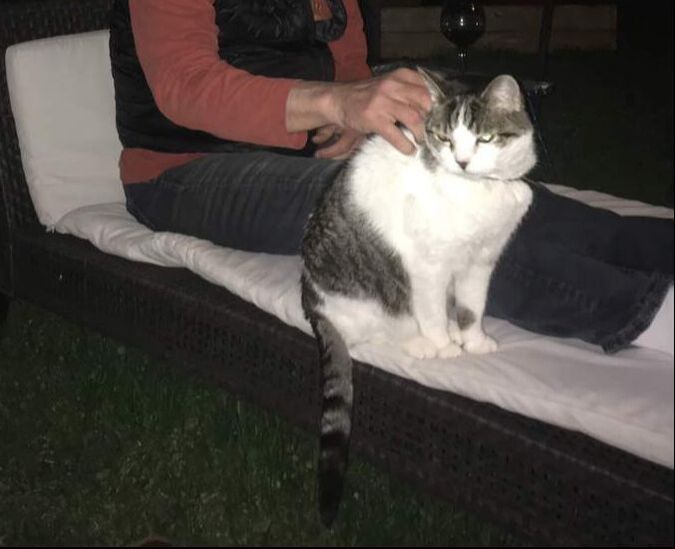
Have you been thinking about finding a way for your indoor kitty to experience the great outdoors? Maybe you have seen the videos of adventure cats that have become more prevalent, or you’ve seen a neighbor taking their feline family member for a walk. Or maybe you’re thinking more along the lines of a catio. Whatever your thoughts, there are some things that you should consider before taking fluffy outside for the first time! Make sure to think about the personality of your cat before you make the decision to start bringing them outside. Not every cat should be an outdoor cat. Many kitties are too frightened to enjoy the new experience. And while some may come to love it in time, it is important not to force the experience or cause them undo stress. Plan to either have them on a leash or in a confined place that will do double duty, keeping them from wandering while also keeping predators away. Never leave them unattended! If a predator or other cat comes into the space the possibility of injury or death is high if you are not there to intervene. If you plan to leash train them, start inside with just the harness. Leave it on for short periods and allow them to get used to the extra weight. Most cats do not like harnesses, so expect some flopping. Once they are used to the harness you can plan your first excursion! Plan on starting with trips that are less than 5 minutes. And prepare yourself for them asking to go back inside almost immediately. Try to avoid busy streets as the car noise will frighten them. A comfort item might also help ease the transition. My cat, Lyric, absolutely adores baskets. When I first started bringing him outside on a leash, he always asked to go back inside immediately. I listened to his needs and did not force it. Then, one day he was sleeping in his favorite basket and I decided to carry him outside in that. I set him on my lap and he sat purring for several minutes before he started to show any agitation. When he showed me he was ready to go back in, I always listened to him right away. Now he asks to go outside regularly during the summer. Remember, the goal of outside time is for your kitty to enjoy it! Not for you to make them into the adventure kitty you saw in that cool TikTok. If they are showing agitation, let them go back to a safe place. My other cat, Ari, took to leash time immediately and will spend significantly more time outside then Lyric before he asks to come back in. On the hot days of summer I have to end his adventures before he likes to keep him from overheating. I bring my cats outside with me when I am gardening or visiting with friends. I do not take them for walks. I also only let them out in my backyard because the front of my house faces a busy street.
General Safety Considerations:
When you first make the decision to take your indoor cat outside, make sure to make a veterinary appointment. They can get you proper medicine to protect against fleas, mites, and ticks that may find their way onto your cat over the course of their adventures. They can also let you know if your area has any other parasites or diseases that may impact your cat. Before going outside the first time, take some time to look at the plants around your space. Try and identify what they are so you can determine if they are poisonous plants. Lilies are especially deadly to cats. Do not let them hang out near these plants as a few mouthfuls can be deadly. Chemicals can also be dangerous for your cat. Make sure that the space that you are using has not been treated with gardening or lawn chemicals. Many of the general considerations listed above are applicable to taking your cat out on a leash or using a catio. If you are thinking about creating a catio space check out our blog on the subject here. Written by: Heather Mains
0 Comments
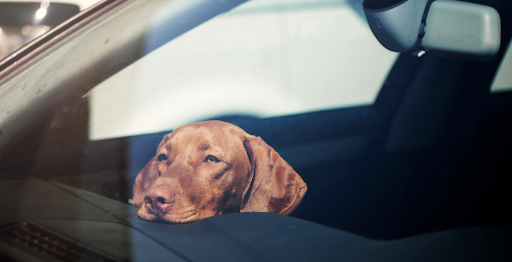 One of the most avoidable pet-fatalities occurs when pets are left in cars. Whether you’re running into the grocery store or popping into the post office, it is never safe to leave an animal in a hot car unattended. According to studies, hundreds of pets die from car-related heatstroke every year; studies also show the first 15-30 minutes are critical. Parked cars can become ovens fast. Even on a day a moderately warm day, a parked car can rise from 75˚F to 100˚F in just ten minutes. You may have heard of a “safe period”, the amount of time in which your pet can be left in a car. However, it is not prudent to follow a “safe period” since there are external factors that you can not control, such as the sun shifting. Since there are many factors as to why a car heats up, there’s not a safe amount of time to leave your pet. Another thing to remember is your pet’s inability to sweat. You’ll need to keep in mind when you’re warm your animal is even warmer! Most dogs and cats are covered with a thick coat of fur making it difficult for them to dissipate their body heat. Warning signs that your pet is in distress include heavy panting, tongue hanging out, restlessness, anxiety, clawing at window, trembling, vomiting, disoriented, foaming at mouth, diarrhea, collapsing, and seizures. What can you do if you see an animal trapped in a car that appears unsafe? The state of Minnesota prohibits leaving a dog or cat unattended in a standing or parked motor vehicle in a manner that endangers the dog's or cat's health or safety. For this reason, you can feel justified calling law enforcement. You could also wait nearby for a few minutes to see if the owner returns quickly. All pets are at risk of developing heat stroke if left in a car, this can lead to severe illness or death. We urge you to recognize it is always your responsibility to keep your pet safe and spread awareness! Ultimately, the goal is to avoid the heartache of losing your pet’s life to a hot car. 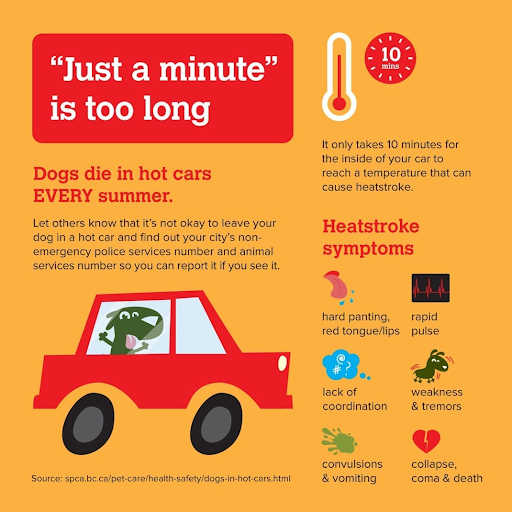 Written by: Gracie Butler
The dog days are in full-swing, and you may be wondering how to keep your pup happy and healthy during this warm season! From hydration to feet protection, read on to learn how to keep your dog healthy and happy as you enjoy the warm weather together. 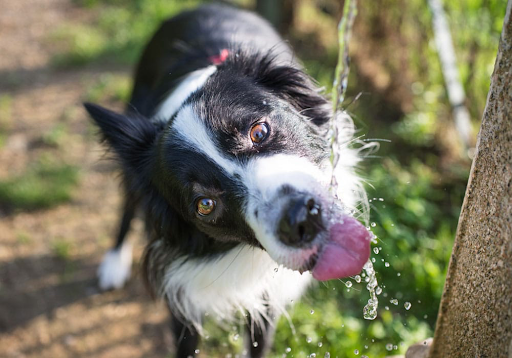 Hydration The first step to beating the heat with your dog is to always have a supply of water. Whether you’re going for a stroll, drive, or running an errand, it’s important to keep your dog hydrated both indoors and outdoors. Many public beaches and parks have a spout of clean water, but it’s never safe to assume; error on the side of caution and bring water. You’ll also need to know how to identify signs of dehydration, the more noticeable signs can include vomiting, loss of energy, excessive panting, and the loss of elasticity in your dog’s skin. However, there are less spottable signs; here is a resource that identifies all possible signs and can help decipher if your furry friend has had too much sun. https://www.akc.org/expert-advice/health/warning-signs-dehydration-dogs/  Paw Protection The next thing you’ll want to know is how to protect your dog’s paws. We all know the pain of a bad sunburn, but did you know your pup can catch a burn too? Burned paws are more common than you may realize, wildly uncomfortable, and potentially dangerous for your dog. The signs you should look for are limping, avoiding walks, licking or chewing feet, paw pads appearing darker than usual, pads looking visibly damaged, and blisters or redness. To avoid burned paws try using dog booties or socks to shield hot pavements and avoid walking on streets during the peak temperature of the day. It’s important to regularly check their paws and monitor the weather app before strolling on hotter surfaces. Since your dog may not realize there’s a problem, it’s up to you to recognize the signs and protect your furry friend.  Find Shade As much as you and your pup may love to bask in the sun, we all need a break! Whether you’re on a walk, spending time at the park, or chilling in the yard, be sure to scout out a shady area for your dog to catch a break from the rays; tree shade and tarps are prime places since they don’t obstruct air flow. We recommend paying attention to how long your dog has been exposed to the sun, and make sure to monitor how strong the UV rays are that day. Always remember when you’re warm, your dog with a fur coat and inability to sweat, is especially warm.  Take a Break
The final thing we want you to keep in mind is to give your dog a rest! With all the adventures summer has to offer, it’s important to take a break from your summer activities, head indoors, and enjoy a nap. We suggest monitoring your dog’s activity and building in breaks on the particularly hot days. Despite how much energy your pup exhibits, we all need downtime. Make sure to know your dog’s limits in order to have the happiest and healthiest summer yet! Written by Gracie Butler
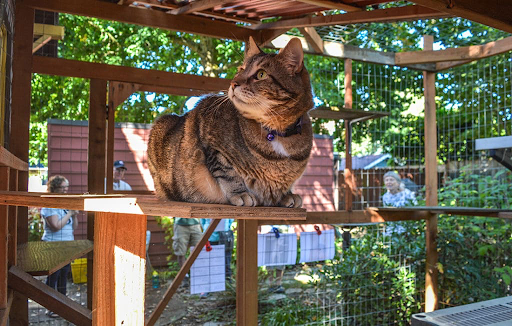
Have you been thinking about creating an outdoor catio space for your cat? A catio, an outdoor enclosed patio designed for cats, are great for your cat to hang out in and take in the outdoors. Before jumping into a big project like this, here are a few things you’ll want to consider.
Ensuring Your Pet’s Safety
Safety first! Even if the catio you purchase or design seems to be 100% safe, you’ll always need to keep an eye on your feline friend. To make your catio a positive and safe space, we suggest you include the following features: an entry door or window, ramps, catwalks, hiding places, beds or pillows for resting, fresh drinking water, shady spaces , predator-proof screening (on the bottom as well as the sides), and a roof or covering for mild weather protection. Even in a catio, it’s crucial to never leave your pet unattended. At the end of the day, you are 100% responsible for your pet’s safety and ensuring your catio is a secure space!
Benefits
Although your cat may not embrace the outdoors like a dog would, there are many advantages to spending time outside. The first and potentially the most important benefit pertains to the mental stimulation and enrichment for cats. The sounds and smells of nature, along with the ledges and climbing areas help channel your cat’s inner-adventurer. Another perk includes decreased conflict in multi-cat homes. If you have two cats or more, conflict may arise; however, a catio can give each cat an opportunity to explore and thrive individually. With multiple cats, be sure to provide multiple entrances and exits so no one gets cornered or let them enjoy the catio independently. Other benefits include exercise, wildlife protection (those song birds will be safe on the other side of the screen), and protection for your cat from other wildlife (be sure the material you use can withstand a predator trying to get inside from the top, sides, and bottom).
Options
You can choose to purchase a ready made catio or build one from scratch. If purchasing, make sure to read all of the information provided and do a thorough comparison. More often than not, catios are on the pricier side which is why it’s important to do a thorough evaluation before making a purchase! For our creative folks, diy catios are a great option. A diy catio enables you to meticulously control design, materials, and cost! With a self build you can be creative and cator (did you see what we did there) toward the specific needs and personality of your pet! The resources below will help you get started mapping out your catio from scratch. https://www.itsoverflowing.com/diy-catio-plans/ https://catiospaces.com/catios-cat-enclosures/diy-plans/ Written by Gracie Butler Spring and summer are finally within reach, and with the temperatures rising you may be looking for some activities to make the warm seasons cool. Here are a few ways to make the most of your Spring and Summer with your pup. Go For a Stroll, Hike, or Run Activity Intensity Rating: 3/10 - 9/10 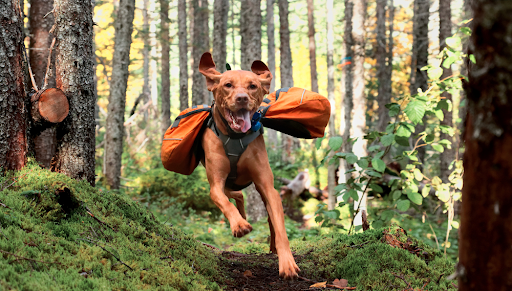 We all know how much dogs love to embrace the outdoors! Whether it’s through a walk, hike or run, such activities are possible nearly everywhere anytime! Some great trails your dog will love in Minneapolis and St. Paul are the Minnehaha Fall Lower Glen Trail, the Mississippi Gorge Regional Park, and Winchell Trail. You can Google “hiking trails'' for a list in your area. Whether you head for a wooded trail or walk around your neighborhood, spending time outdoors is a great way to get some exercise and have quality time with your dog. Dog-friendly Dining Activity Intensity Rating: 2/10 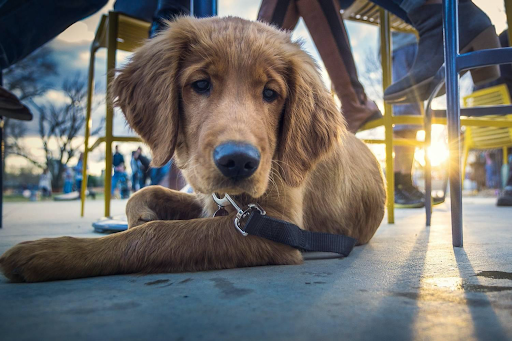 Outdoor dining in the Spring and Summer are great, bringing your dog along with you to your favorite patio is even better! Two great options with dog-friendly patios in Minneapolis and St. Paul are Eagle Street Grill and Aster Café. If you’re looking to feed you and your dog head over to The Howe Daily Kitchen and Bar where dogs are welcome on the “pawtio” and have their own doggy menu; yappy-hour is from 3:00pm-6:00pm! Take a Swim Activity Intensity Rating: 2/10 - 5/10 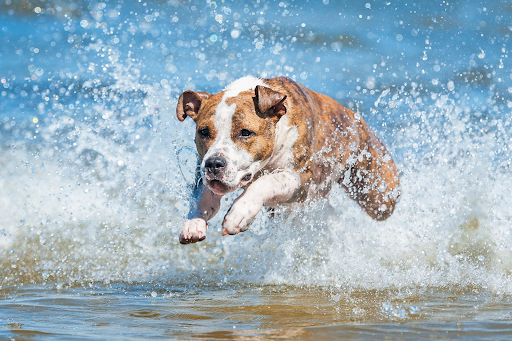 Splish, splash, or take a bath! In the land of 10,000 lakes finding a body of water for your pup to splash around in is hardly a problem. Whether you’re wanting to play with your dog or just enjoy watching them, taking advantage of the water is a great way to cool off on those warmer days. Make sure you check for postings about sewage leaks, algae blooms, or other contamination that would make the water unsafe for your dog before letting them swim. Enjoy a Treat Activity Intensity Rating: 2/10 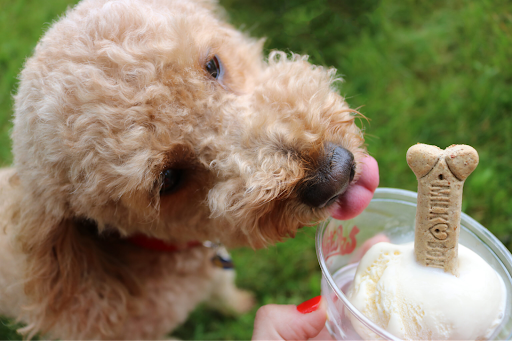 Whether it be a pup cup, lick of ice cream, or homemade dog dessert, your dog will love a sweet treat to enjoy on beautiful Spring and Summer days. Pup cups can either entail a small cup of custard or whip sold at numerous fast-food chains such as McDonald’s, Dairy Queen, and Starbucks. If you’re looking for a DIY activity, countless dog dessert recipes can be found on Pinterest. What better way to show your dog how much you love them than by treating them with sweetness! If your dog has never consumed these treats make sure to offer them in moderation. Dogs are lactose intolerant and if they eat too much of these delicious treats, their tummies may not be too happy! Offering them ice cubes or other hard frozen treats can cause cracked teeth that then need to be addressed by a veterinarian, softer options are better. Some dogs are very sensitive to dietary changes, checking with your vet before trying these treats would be a good choice. Yard and Outdoor Relaxation Activity Intensity Rating: 1/10 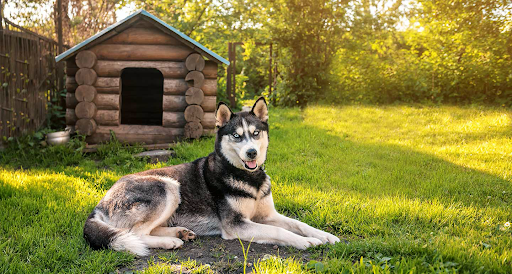 Sometimes the best ways to spend time with your dog are more peaceful and laid-back activities. For this activity all you really need is a cozy spot in your yard or local park! Hot days are inevitable this summer, make sure your dog takes breaks from play and has access to plenty of water and shade to avoid heat exhaustion and potentially life threatening reactions.
Written By: Grace Butler |
Animal Care FoundationProviding elderly and disabled community members access to veterinary care for their beloved pet. Archives
April 2024
Categories
All
|


 RSS Feed
Contact Us:
P.O. Box 24525
Edina, MN 55424
(763)529-5060
Info@AnimalCareFoundation.org
P.O. Box 24525
Edina, MN 55424
(763)529-5060
Info@AnimalCareFoundation.org
The Animal Care Foundation is a 501.c.3 nonprofit.
Updated: 8/19/2022
Proudly powered by Weebly
Background photo created by montypeter - www.freepik.com
Updated: 8/19/2022
Proudly powered by Weebly
Background photo created by montypeter - www.freepik.com